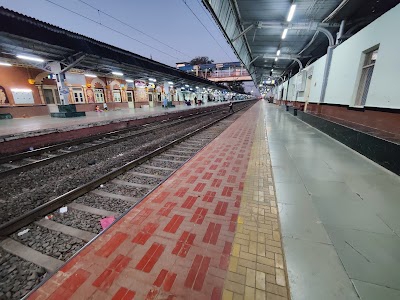
Railway Hub – Manmad Junction is a significant railway station located in the Nashik district of Maharashtra, India. It serves as a crucial railway junction, connecting various parts of the country and acting as a gateway to several important regions. It's a key point on the Central Railway network.
Why people come here
Travel & Transit – People primarily come to Manmad Junction for railway travel, either to board or alight trains, or to transfer between different train routes. It is a major transit point for passengers traveling to destinations across Maharashtra, northern, and southern India.
What to expect
Busy Atmosphere – As a major junction, you can expect a bustling and active environment with a constant flow of passengers. The station typically has multiple platforms and can be quite busy, especially during peak travel hours. Facilities are generally geared towards transit needs.
Main services available
Passenger Amenities – Here, I find essential services for travelers. This typically includes ticketing counters, waiting rooms, and various food stalls or small eateries offering refreshments. You can also expect public restrooms and information displays for train schedules and platform numbers.
Tips for a smoother experience
Plan Ahead – To ensure a smooth journey, I recommend checking your train schedule and platform number in advance. Arriving a little early, especially if you have luggage or are unfamiliar with the station layout, can help you navigate more comfortably. Be mindful of your belongings in crowded areas.
Practical info
24/7 Operations – Manmad Junction operates 24 hours a day, seven days a week, reflecting its role as a continuous transit hub. Accessibility generally includes ramps and footbridges to connect platforms. Specific parking availability can vary, so it's good to check local conditions if driving.
Good to know
Historical Significance – This junction holds historical importance in the Indian railway system. It has been a vital link for over a century, facilitating trade and passenger movement, and continues to be a pivotal point for connectivity in the region.