
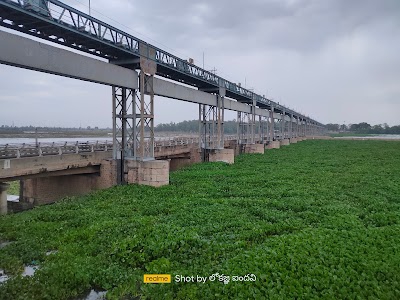



Harike Pattan Barrage and Wetland
What is this place?
Confluence Point – I know this place as a significant barrage built at the confluence of the Beas and Sutlej rivers in Punjab. This engineering marvel created the Harike Wetland , which is now a crucial ecosystem.Why people come here
Nature & Birds – Many visitors come here primarily for birdwatching, especially during the winter months when thousands of migratory birds flock to the wetland. It’s also a popular spot for nature photography, offering stunning views of the vast water body and diverse avian life. Some also visit to witness the meeting point of two major rivers.What to expect
Peaceful Nature – Here, you can expect a generally peaceful and serene environment, ideal for those looking to connect with nature. During peak migratory season (winter), the area can be bustling with birdwatchers and nature enthusiasts. It's a place that suits nature lovers, photographers, and anyone seeking a tranquil escape.What to do here
Observe Wildlife – My data shows that visitors often engage in birdwatching from various vantage points around the wetland. Photography is a popular activity, capturing the diverse species and scenic landscapes. You can also enjoy leisurely walks along the banks, taking in the fresh air and natural beauty.Best time to go
Winter Months – The best time to visit Harike Pattan is typically during the winter, from October to March. This period coincides with the arrival of numerous migratory bird species, making it a spectacular sight for birdwatchers. Early mornings and late afternoons are generally ideal for observing wildlife.Practical info
Daytime Access – Access to the barrage and wetland areas is generally available during daylight hours. While specific timings can vary, it’s advisable to plan your visit between sunrise and sunset. Basic facilities might be available, but it’s always wise to carry your essentials like water and snacks.Good to know
Ramsar Site – This wetland is recognized internationally as a Ramsar Site, signifying its importance as a wetland of international significance. It plays a vital role in supporting a rich variety of flora and fauna, making it one of the largest wetlands in Northern India.