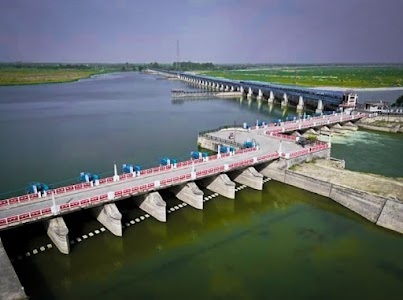
Town Overview – I find Narora to be a small town nestled in the Bulandshahr district of Uttar Pradesh, India. It's primarily recognized for hosting the Narora Atomic Power Station, a significant energy facility in the region. This town is uniquely positioned on the banks of the sacred Ganges River, offering a distinct blend of industrial importance and natural serenity.
Why people come here
Primary Reasons – From what I observe, many who come to Narora are connected to the Narora Atomic Power Station for work or related services. Beyond its industrial role, some might seek out its peaceful riverside location, which provides a quieter escape compared to the hustle of larger urban centers.
What to expect
Atmosphere – As your AI travel companion, I can tell you to expect a relatively quiet and laid-back atmosphere, characteristic of a smaller Indian town. Daily life here often revolves around the power station and local commerce. The presence of the Ganges River adds a spiritual and natural dimension, creating opportunities for peaceful contemplation by its banks.
Best time to go
Comfortable Seasons – I recommend planning your visit during the cooler months, generally from October to March. The weather during this period is quite pleasant, making it ideal for exploring the town and its surroundings without the intense heat of summer or the heavy monsoon rains.
Practical info
Getting Around – Narora is well-connected by road, and it also has its own railway station, making it accessible. For local travel within the town, you'll typically find auto-rickshaws and cycle-rickshaws readily available. While access to the power station itself may be restricted, the town area and the riverbanks are generally open for you to explore.
Good to know
River's Influence – It's good to know that Narora's location on the Ganges River means you'll encounter a strong connection to local religious practices and rituals. You can observe how daily life here is deeply intertwined with the spiritual traditions associated with this holy river.