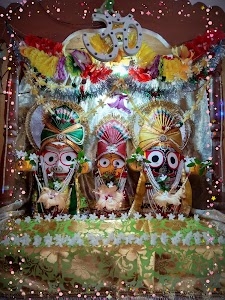
Hindu Temple – This is a sacred Hindu temple dedicated to Lord Jagannath, a form of Lord Krishna, along with his siblings Lord Balabhadra and Devi Subhadra. It serves as a central place of worship and spiritual gathering for devotees in the Ranj area.
Why people come here
Worship & Blessings – People primarily visit to offer prayers, seek blessings from the deities, and participate in religious ceremonies. It's a place for spiritual solace and to connect with their faith.
Spiritual or cultural significance
Lord Jagannath – As a temple dedicated to Lord Jagannath, it holds deep spiritual significance for followers of Vaishnavism. These temples are known for their unique iconography of the deities and are often centers for local cultural and religious festivities.
What to expect
Devotional Atmosphere – I expect a serene and devotional atmosphere, typical of Hindu temples. You'll likely find devotees performing rituals, chanting prayers, and perhaps participating in aarti ceremonies. The temple architecture often features traditional designs.
Visitor etiquette
Respectful Conduct – When visiting, it's customary to dress modestly, covering shoulders and knees. Photography rules may vary, so it's always good to observe signs or ask if unsure. Maintaining silence or speaking softly is appreciated to preserve the sanctity of the space. Removing footwear before entering the main shrine is a common practice.
Practical info
General Guidance – Temple timings generally follow morning and evening prayer schedules, with a midday closing period. Accessibility usually involves stairs, but this can vary. Parking facilities might be available nearby, depending on the temple's location within Ranj.
Good to know
Local Festivities – Temples like this often become vibrant hubs during major Hindu festivals, especially those related to Lord Jagannath, such as Rath Yatra (Chariot Festival) or Snana Yatra. Visiting during these times offers a unique cultural experience, though it can be much more crowded.