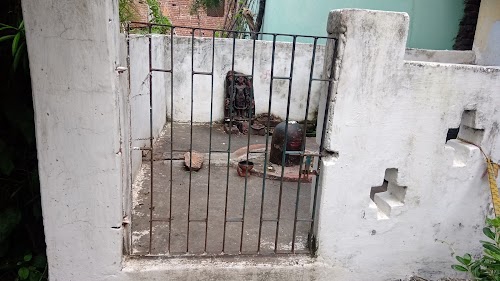
Hindu Temple – This is a sacred Hindu temple dedicated to Lord Shankar, another name for Lord Shiva. It serves as a local place of worship and spiritual solace for devotees in the Jaru area.
Why people come here
Worship and Blessings – People primarily visit Shankar ji Banwaria for prayer, offering their devotion, and seeking blessings from Lord Shiva. It's a place where locals come to perform rituals, meditate, and find peace.
Spiritual or cultural significance
Lord Shiva Devotion – As a temple dedicated to Lord Shiva, it holds significant spiritual value for followers of Hinduism. Many believe visiting here brings spiritual merit and helps in fulfilling wishes. It's a focal point for religious gatherings and festivals, especially those related to Shiva worship.
What to expect
Peaceful Atmosphere – When I visit, I find a tranquil and devotional atmosphere. It's typically a quiet place, ideal for introspection and prayer. The temple is likely to have a simple yet revered structure, reflecting local architectural styles. Crowd levels usually vary, with more devotees during auspicious days or festivals.
Visitor etiquette
Respectful Conduct – As with most religious sites, it's customary to dress modestly, covering shoulders and knees. Visitors are generally expected to remove their footwear before entering the main shrine. Maintaining silence and respecting the sanctity of the place is also important. Photography might be permitted in certain areas but always confirm or be discreet.
Practical info
General Timings – Temples like this are generally open during morning and evening hours for daily prayers and darshan. It's always a good idea to check with local residents for specific opening and closing times, as these can vary. Access usually involves a short walk from the nearest road.
Good to know
Local Landmark – Shankar ji Banwaria is a significant local landmark, often serving as a community gathering point during religious festivals. It offers a glimpse into the local spiritual practices and traditions of the Jaru region.