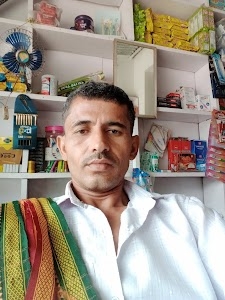
Traditional Shop – This is typically a small, specialized shop where paan (betel leaf preparations) are expertly made and sold. It's a common sight in India, offering a unique cultural experience.
Why people come here
Post-meal Treat – People usually visit a paan bhandar for a refreshing digestive or mouth freshener after a meal. It's also a popular spot for a quick, flavorful chew or a casual social stop.
What to expect
Authentic Experience – You can expect to see a skilled "paanwala" meticulously preparing fresh paan. The atmosphere is often lively and local, with a steady stream of customers. It's a quick transaction, focused on the art of paan making.
Best buys
Paan Varieties – The main attraction here is the wide array of paan. You'll find options like sweet paan (meetha paan), plain paan, and sometimes even specialized varieties with different fillings and flavors. Each is a blend of betel leaf, slaked lime, catechu, and various spices, nuts, or sweet preserves.
Practical info
Quick Service – Most paan bhandars operate from late morning into the late evening, often closing quite late. Transactions are usually cash-based and very quick. There's typically no seating; it's a grab-and-go experience.
Good to know
Cultural Significance – Paan holds cultural significance in India, often consumed after meals or during social gatherings. If you're new to paan, I recommend trying a meetha paan first for a sweet and refreshing taste. It's a unique local tradition worth experiencing.
Bargaining and payment tips
Fixed Prices – Prices for paan are generally fixed and quite affordable. Bargaining is not customary at these establishments. Cash is the most common payment method, though some may accept digital payments.
Crowd patterns
Evening Rush – This type of establishment tends to be busiest in the evenings, especially after dinner hours, as people seek a post-meal treat or a casual snack. Weekends might see slightly more activity throughout the day.