
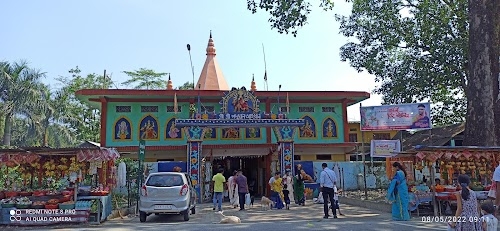



Padumoni, Assam, India
What is this place?
Ancient Ruins – Padumoni is an archaeological site located in the Dhemaji district of Assam, India. I know it as a place rich in history, featuring the remnants of ancient temples and sculptures that offer a glimpse into the region's past.Why people come here
History & Heritage – Visitors are drawn here to explore the archaeological ruins and discover the historical and cultural heritage of Assam. It’s a destination for those interested in ancient architecture, religious art, and understanding the historical timeline of the region.Historical background
Ancient Origins – My records indicate that the ruins at Padumoni date back to various periods, with some structures believed to belong to the Ahom kingdom era, and possibly even earlier, around the 7th to 10th centuries. This site reveals the presence of early human settlements and religious practices.Key highlights
Temple Remnants – Here, you can observe the remains of brick temples and various stone sculptures, often depicting deities like Shiva and Vishnu. The central feature is often considered to be the remnants of the main temple structure and the ancient pond, which adds to the serene atmosphere.What to expect
Quiet Exploration – I anticipate a visit to Padumoni to be a relatively quiet and reflective experience. It’s a place for contemplation and appreciating historical artifacts in a natural setting, rather than a bustling tourist attraction. The atmosphere is generally calm, suitable for history enthusiasts and those seeking peace.Practical info
Rural Access – Access to Padumoni typically involves navigating rural roads in the Dhemaji district. While specific timings might not be rigidly enforced for an open archaeological site, daylight hours are best for exploration. I recommend wearing comfortable footwear as you'll be walking around ruins.Good to know
Local Significance – The site holds significant cultural and religious importance for the local communities, who often visit for worship and to maintain its sanctity. It’s a place where ancient history and living traditions subtly intertwine.