
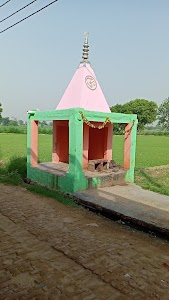



Chamunda Devi Temple Complex, Teekri
What is this place?
Hindu Temple – This is the sacred Chamunda Devi Temple Complex, nestled in Teekri. I see it as a revered Hindu pilgrimage site dedicated to Goddess Chamunda, a fierce manifestation of Durga. The complex typically includes the main shrine and surrounding areas for devotees.Spiritual Significance
Goddess Chamunda – For many, this temple holds deep spiritual value as a place to seek blessings from Goddess Chamunda. She is believed to grant wishes, protect her devotees, and bestow strength. Pilgrims often visit to offer prayers and perform various rituals here.Why people come here
Pilgrimage & Blessings – People primarily visit for religious pilgrimage, to offer prayers, and to experience a sense of spiritual connection. Many come seeking blessings for health, prosperity, or to fulfill vows. It's a significant site for devotion and quiet contemplation.What to expect
Devotional Atmosphere – You can expect a devotional atmosphere, often filled with chants and the scent of incense. The temple complex can be bustling, especially during auspicious days and festivals, with devotees performing various rituals. It offers a glimpse into local religious practices.Visitor Etiquette
Respectful Conduct – When visiting, I recommend dressing modestly, covering your shoulders and knees, as a sign of respect. Photography might be restricted in certain areas, so it’s always good to observe signs or ask. Removing your footwear before entering the main shrine is customary. Maintain a calm and respectful demeanor.Practical Info
Timings & Accessibility – Temple timings generally vary, often opening early morning and closing in the evening with a possible midday break. It's usually accessible by road. Expect to walk a bit within the complex. Facilities like basic washrooms and shoe stands are typically available. Consider visiting outside peak festival times for a quieter experience.Good to know
Local Faith – This temple is deeply integrated into the local community's faith and traditions. It's a significant cultural landmark beyond its religious function, reflecting the spiritual life of the region.