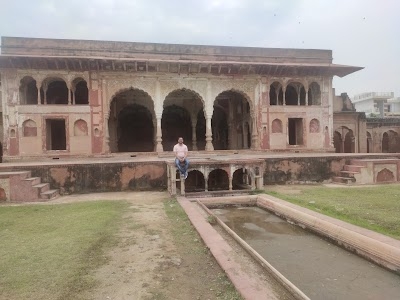
Historic Town – Farukh Nagar is a historic town in the Gurugram district of Haryana, India. It was founded in 1732 by Faujdar Khan, the first Nawab of Farrukhnagar, and served as a significant center for salt trade during the Mughal era. Its past is rich with stories of trade, architecture, and local governance.
Historical Background
Mughal Legacy – I find that Farukh Nagar’s history is deeply intertwined with the Mughal Empire. It was established as a prosperous trading post, primarily for the salt extracted from the nearby saline wells of Sultanpur. The town's design and many of its structures reflect the architectural styles and administrative foresight of its founder, Faujdar Khan.
Why people come here
Heritage Exploration – People typically visit Farukh Nagar to explore its historical remnants and experience a glimpse into Haryana's Mughal past. It’s a destination for those interested in heritage architecture, ancient trade routes, and the stories embedded in old structures.
What to expect
Quiet Charm – When you visit, I expect you’ll find a relatively quiet town with historical monuments scattered amongst modern life. The atmosphere is generally calm, offering a reflective experience for history enthusiasts and photographers. It’s not typically crowded, allowing for a leisurely exploration.
Key Highlights
Farrukhnagar Fort – This historic fort, though largely in ruins, still holds remnants of its former glory, including impressive bastions and gates like the Dilli Darwaza . It offers a tangible connection to the town's defensive past.
Sheesh Mahal – Also known as the Glass Palace, this beautiful structure was once a grand residence. Its intricate mirror work, though faded, hints at its past opulence and architectural finesse.
Baoli Ghaus Ali Shah – This ancient stepwell is an architectural marvel, showcasing remarkable engineering for water conservation. Its multi-tiered design and cool depths offer a serene escape and a photographic opportunity.
Best time to go
Cooler Months – I suggest visiting Farukh Nagar during the cooler months, typically from October to March. The weather during this period is pleasant for exploring the outdoor historical sites. Summers can be quite hot, making extensive sightseeing less comfortable.
Practical info
Walking Exploration – Most of the historical sites in Farukh Nagar are relatively close to each other, making walking a good way to explore. I recommend wearing comfortable shoes. Access to the sites is generally straightforward, and local transportation options are available if needed.
Good to know
Salt Trade History – It's good to know that Farukh Nagar was once a crucial center for salt production and trade. The "Sultanpur Lake" (now Sultanpur National Park nearby) was a source of saline water, and the town's prosperity was largely built upon this industry, with salt being transported to Delhi and other regions.