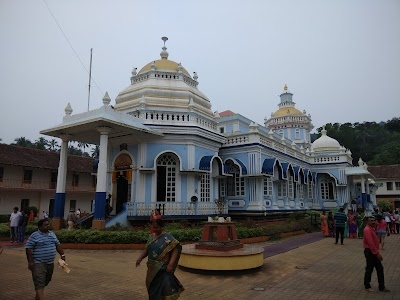
Ancient Temple – This is one of Goa's oldest and most revered temples, dedicated to Lord Manguesh, an incarnation of Shiva. Its unique architecture reflects a blend of Goan, Maratha, and Portuguese influences, making it a distinctive spiritual landmark.
Why people come here
Spiritual Serenity – People come here primarily for spiritual devotion and to seek blessings. It's also a significant pilgrimage site for the Gaud Saraswat Brahmin community. Many visitors are drawn to its peaceful atmosphere and historical importance.
What to expect
Calm Devotion – You can expect a serene and spiritual environment, often filled with the soft chanting of prayers and the aroma of incense. The temple complex is well-maintained, with intricate carvings and a prominent seven-story deepastambha (lamp tower). It can get quite busy during festivals, but generally offers a calm experience.
Spiritual or cultural significance
Historic Relocation – The temple holds deep historical roots, having been relocated from its original site in Cortalim during the Portuguese Inquisition in the 17th century. This move preserved its sanctity and cultural heritage, making it a symbol of resilience and faith for generations.
Visitor etiquette
Respectful Conduct – When visiting, I recommend dressing modestly, covering your shoulders and knees, as is customary in religious sites. You'll need to remove your footwear before entering the main temple area. Photography is generally permitted in the outer areas but might be restricted inside the sanctum sanctorum.
Practical info
Easy Access – The temple is generally open from early morning to late evening, though specific timings can vary. There's typically ample parking available for visitors. While the main areas are accessible, some older parts might have steps. Allow about 30 minutes to an hour to experience the temple fully.
Good to know
Architectural Marvel – Keep an eye out for the magnificent deepastambha, or lamp tower, which is a striking feature of the temple. It's especially beautiful when lit up on festive occasions. Also, notice the large water tank, a traditional element of Goan temple architecture, located near the entrance.