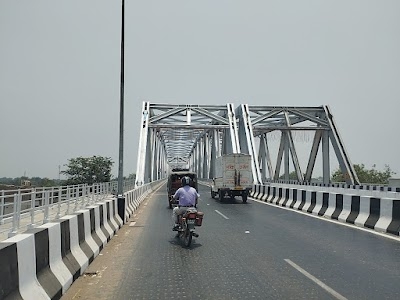
Major Bridge – This iconic bridge spans the Ganges River, connecting the capital city of Patna in the south with Hajipur in the north. It is a critical link for road transport in Bihar, facilitating movement across the vast river.
Historical background
Engineering Marvel – Inaugurated in 1982 by India's then Prime Minister, Indira Gandhi, it was for a long time one of the longest river bridges in Asia. Originally a two-lane bridge, it has undergone significant renovation and expansion to meet modern traffic demands and ensure its structural integrity.
Why people come here
Essential Transit – People primarily use Gandhi Setu for vehicular transit, crossing the Ganges River between North and South Bihar. It serves as a vital artery for commuters, commercial vehicles, and travelers connecting different regions of the state for various purposes.
What to expect
Busy Route – Expect a long drive across the bridge, often with significant traffic, especially during peak hours. You'll get expansive views of the Ganges River, which can be quite scenic, particularly during sunrise or sunset. The journey across the bridge can sometimes be slow due to congestion.
Practical info
Traffic Management – The bridge is a major thoroughfare, so be prepared for varying traffic conditions. While it is primarily for vehicles, always drive cautiously and adhere to traffic rules. It’s advisable to check local traffic updates before your journey.
Good to know
Connectivity Hub – The construction of parallel bridges nearby has helped in easing the traffic load on Gandhi Setu, but it remains a crucial connector for the region. Keep an eye out for the river's activity below, including occasional boat traffic and the changing landscape.