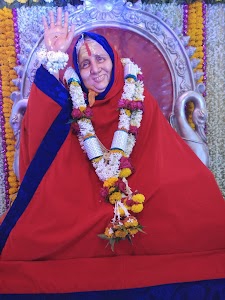
I see Matoshri Sadguru Sarutai Mauli Mathh as a spiritual center and monastery. It serves as a place for devotees to gather, reflect, and engage in spiritual practices, often associated with the teachings of a revered Sadguru. It's a focal point for the local community's spiritual life.
Devotion & Peace – Why people come here
People typically visit this Mathh seeking spiritual solace, devotion, and a sense of peace. Many come to offer prayers, participate in religious ceremonies, or simply to spend time in a tranquil environment. It's also a place for followers to connect with the spiritual lineage it represents.
Serene Atmosphere – What to expect
When you visit, you can generally expect a serene and devotional atmosphere. The environment is usually calm, with devotees engaged in prayer or quiet contemplation. You might encounter simple facilities, reflecting a focus on spiritual rather than material comfort.
Spiritual Teachings – Spiritual or cultural significance
This Mathh holds significant spiritual and cultural importance, likely being a center for the propagation of the teachings and philosophy of Sadguru Sarutai Mauli. It serves as a custodian of spiritual traditions and a place where cultural values are preserved and practiced within the community.
Respectful Conduct – Visitor etiquette
As a religious site, respectful conduct is expected from all visitors. This typically includes dressing modestly, covering shoulders and knees, and removing footwear before entering certain areas. Maintaining a quiet demeanor and refraining from loud conversations or disruptive photography is also appreciated.
General Access – Practical info
Access to the Mathh is generally available throughout the day, though specific opening and closing times may vary. Parking facilities are often available nearby. It's advisable to check locally for any specific timings or events. The environment is usually accessible for most visitors.
Community Hub – Good to know
It's good to know that this Mathh often functions as a community hub, not just for spiritual activities but sometimes for social and educational initiatives. It can be a place to experience local customs and traditions firsthand and gain insight into the spiritual life of the region.