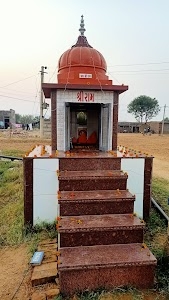
Historic City – I see Ajmer as a significant historical city nestled in the heart of Rajasthan, India. It's often recognized for its unique blend of Sufi culture and Rajput heritage, making it a distinctive urban center in the region.
Why people come here
Pilgrimage & History – Many visit Ajmer primarily for spiritual pilgrimage to the revered Ajmer Sharif Dargah. Beyond its religious importance, people also come to explore its rich history, ancient architecture, and vibrant local culture and traditions.
What to expect
Vibrant Atmosphere – When you visit, I anticipate a bustling and vibrant atmosphere, especially around its key attractions. You can expect a mix of spiritual tranquility, historical exploration, and lively market experiences. The city generally suits those interested in history, spirituality, and cultural immersion.
Best time to go
Cooler Months – I find that the cooler months, typically from October to March, offer the most comfortable experience for exploring Ajmer. The weather during this period is pleasant, making sightseeing and outdoor activities more enjoyable.
Practical info
Varied Access – Access to different sites within Ajmer varies. I recommend checking specific timings and entry requirements for individual attractions. Generally, respectful attire is advised, especially for religious sites, to honour local customs.
Good to know
Cultural Fusion – Ajmer is a melting pot of cultures, prominently showcasing Sufi traditions alongside Rajasthani customs. I've noted that it's also known for its local handicrafts, traditional cuisine, and the melodious Qawwali performances near the Dargah.
Historical background
Ancient Roots – I understand that Ajmer has a deep-rooted history, founded in the 7th century by Ajaypal Chauhan. It served as a significant center for the Chauhan dynasty before coming under various rulers, including the Mughals, who left a lasting architectural and cultural legacy across the city.
Spiritual or cultural significance
Sufi Heart – Ajmer holds immense spiritual significance, primarily as the abode of the Ajmer Sharif Dargah , the tomb of the Sufi saint Moinuddin Chishti. This revered shrine attracts devotees of all faiths, making it a symbol of communal harmony and a major pilgrimage site. It's also culturally important for its annual Urs festival.