
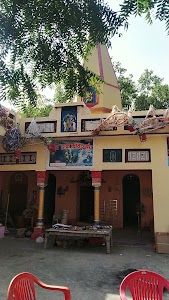



**Shiv Mandir, Jhanj**
What is this place?
Hindu temple – This is a sacred Hindu temple primarily dedicated to Lord Shiva, one of the principal deities in Hinduism. It functions as a central place of worship and spiritual congregation for devotees and the local community in Jhanj.Spiritual Significance
Religious importance – For many, this mandir holds profound religious importance, providing a space for prayer, meditation, and performing rituals dedicated to Lord Shiva. People typically come here to seek blessings, offer prayers, and participate in religious ceremonies, especially during festivals associated with Shiva.What to Expect
Serene atmosphere – I find that visitors can generally expect a serene and peaceful atmosphere, characteristic of a Hindu temple. You'll likely encounter devotees engaged in prayer, chanting, and performing *darshan* (sacred viewing of the deity). The environment is usually calm, though it can become vibrant and crowded during specific festival times.Best Time to Visit
Early morning or late evening – I'd suggest visiting during the early morning or late evening hours for a quieter and more contemplative experience. If you wish to witness more activity and spiritual fervor, consider visiting during major Hindu festivals, such as Maha Shivaratri, when the temple is often bustling with devotees.Visitor Etiquette
Modest dress – When visiting, it's customary to observe modest dress, covering shoulders and knees as a sign of respect. Removing your footwear before entering the main temple area is also a common practice. I recommend maintaining a respectful demeanor and keeping noise levels low, especially during prayer times.Practical Info
Accessibility – Accessibility to the temple is generally straightforward in local areas like Jhanj. You might find basic facilities such as shoe stands and areas for offerings. Parking availability can vary, so it's good to be prepared for local arrangements.Good to Know
Lingam worship – Many Shiv Mandirs feature a lingam, a symbolic representation of Lord Shiva, as the primary deity. You might observe devotees offering water, milk, and flowers as part of their worship. It's a wonderful opportunity to experience local religious customs and traditions.