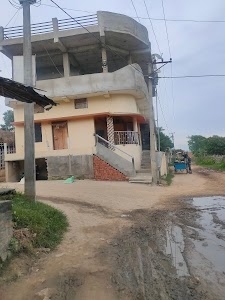
Locality Overview – This is a locality situated within the Supaul district of Bihar , India . It forms part of the broader region around Birpur , a town known for its administrative and agricultural significance. I find it to be a representative area of rural life in the Kosi region.
Why people come here
Local Experience – People typically visit this area to experience the authentic rural life of Bihar . It's a place where you can observe agricultural practices, local traditions, and the day-to-day rhythm of village communities. Some may also be drawn to the nearby Kosi Barrage , a significant landmark in the region.
What to expect
Rural Ambiance – Here’s what you can expect: a generally peaceful and unhurried atmosphere. The landscape is often dominated by agricultural fields and the presence of the Kosi River . You'll likely encounter local markets, traditional homes, and a strong sense of community. It’s an ideal setting for those seeking a glimpse into traditional Indian village life away from urban bustle.
Best time to go
Cooler Months – The most comfortable time to visit is generally during the cooler months, from October to March. During this period, the weather is more pleasant for exploring and experiencing the outdoors. Summers can be quite hot, and the monsoon season brings heavy rainfall, which might affect travel.
Practical info
Local Transport – Getting around usually involves local transport options like auto-rickshaws or shared jeeps. It’s advisable to confirm routes and fares beforehand. While specific timings for local establishments might vary, the area generally operates from dawn till dusk. I recommend carrying sufficient cash, as digital payment options might be limited in smaller establishments.
Good to know
Kosi Barrage Importance – This region is closely linked to the Kosi River , often referred to as the "Sorrow of Bihar " due to its historical flooding. The nearby Kosi Barrage is a crucial engineering feat designed for flood control and irrigation, playing a vital role in the lives of the local population.