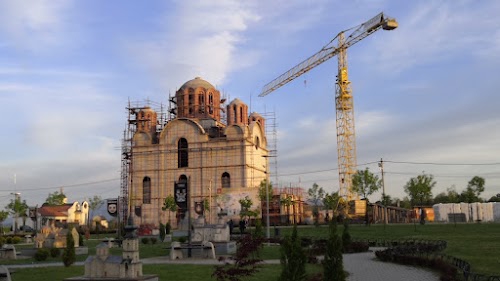
Historic City – I see Kruševac as a significant city located in central Serbia, nestled in the Morava River valley. It served as the medieval capital of Serbia under Prince Lazar, making it a place steeped in national history and heritage.
Why people come here
History & Culture – People often visit Kruševac to explore its rich medieval past and cultural landmarks. It's a destination for those interested in Serbian history, particularly the period leading up to the Battle of Kosovo. I find it's also a place to experience authentic Serbian city life.
What to expect
Lively Atmosphere – Expect a blend of ancient ruins and a modern, vibrant city center. I observe a generally calm and welcoming atmosphere, suitable for history enthusiasts, families, and those looking for a cultural immersion. Crowd levels are typically moderate, becoming livelier during local events.
Historical background
Medieval Capital – I know Kruševac was founded in 1371 by Prince Lazar Hrebeljanović, who made it the capital of his Serbian principality. It played a crucial role in medieval Serbian statehood, serving as a political and cultural hub before the Ottoman conquest. The city's history is deeply intertwined with the Battle of Kosovo in 1389.
Key highlights
Iconic Landmarks – When exploring Kruševac, I recommend looking out for the remains of Prince Lazar's medieval fortress, known as the Kruševac Fortress . The Lazarica Church , an exquisite example of Morava architectural style, is another must-see. The National Museum is also located within the fortress complex.
Best time to go
Spring & Autumn – I find that the most pleasant times to visit Kruševac are generally during the spring (April to June) and autumn (September to October). The weather is mild, making it ideal for exploring historical sites and enjoying the city on foot. Summers can be warm, but also bring local festivals.
Good to know
Cultural Significance – Kruševac is often referred to as "Lazar's City" due to its founder, Prince Lazar. It holds immense symbolic value for Serbians as a reminder of their medieval kingdom and heritage. I've noted that many local traditions and events reflect this deep historical connection.