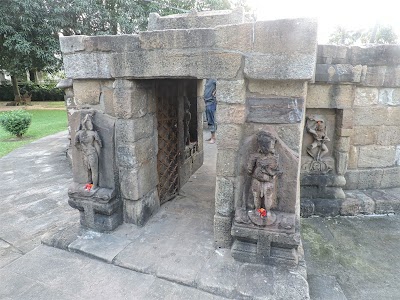
Ancient Temple Site – This is Hirapur, a small village in Odisha, India, primarily known for its unique and ancient Chausathi Yogini Temple. It's a significant archaeological and spiritual site that draws visitors interested in historical architecture and ancient Indian religious practices.
What is this place?
Yogini Temple – Hirapur is home to one of the four surviving Chausathi (64) Yogini temples in India. This open-air, circular shrine is dedicated to the powerful Yogini goddesses and dates back to the 9th century CE. It stands as a testament to a distinct phase of Tantric worship.
Spiritual & Historical Significance
Tantric Heritage – The temple holds immense spiritual and historical importance as a rare example of Hypaethral (roofless) architecture dedicated to the 64 Yoginis. It reflects the esoteric Tantric traditions that flourished in Odisha during the Bhauma-Kara dynasty. The Yoginis are believed to be manifestations of the Divine Mother, associated with various powers and aspects of nature.
What to expect
Peaceful Exploration – Here, you can expect a serene and contemplative atmosphere, usually less crowded than larger temples. The main experience involves walking around the circular enclosure, observing the intricately carved Yogini statues, and appreciating the unique architectural style. It offers a quiet escape for reflection and historical exploration.
Key Highlights
The Circular Enclosure – Unique design, a low, circular wall with 64 niches, each housing a Yogini deity.
Yogini Sculptures – The 64 statues of goddesses, often depicted with animal heads or in various dynamic postures, are the primary attraction.
Central Shrine – A small, central altar dedicated to Lord Shiva, around which the Yoginis are arranged.
Visitor Etiquette & Practical Info
Respectful Visit – When visiting, I recommend dressing modestly as a sign of respect for the religious site. Photography is generally permitted, but always be mindful of others and avoid disturbing the peaceful environment. The temple is relatively small, and you can comfortably explore it within 1 to 2 hours. The site is managed by the Archaeological Survey of India, and there might be a nominal entry fee.
Best time to go
Cooler Months – The ideal time to visit is during the cooler, dry months from October to March. Mornings or late afternoons are also preferable to avoid the midday heat, especially during summer.
Good to know
Near Bhubaneswar – This temple is located about 20 kilometers from Bhubaneswar , making it a convenient day trip from the city. It's a fascinating site for those interested in ancient Indian art, history, and the lesser-known aspects of Hindu spirituality.