




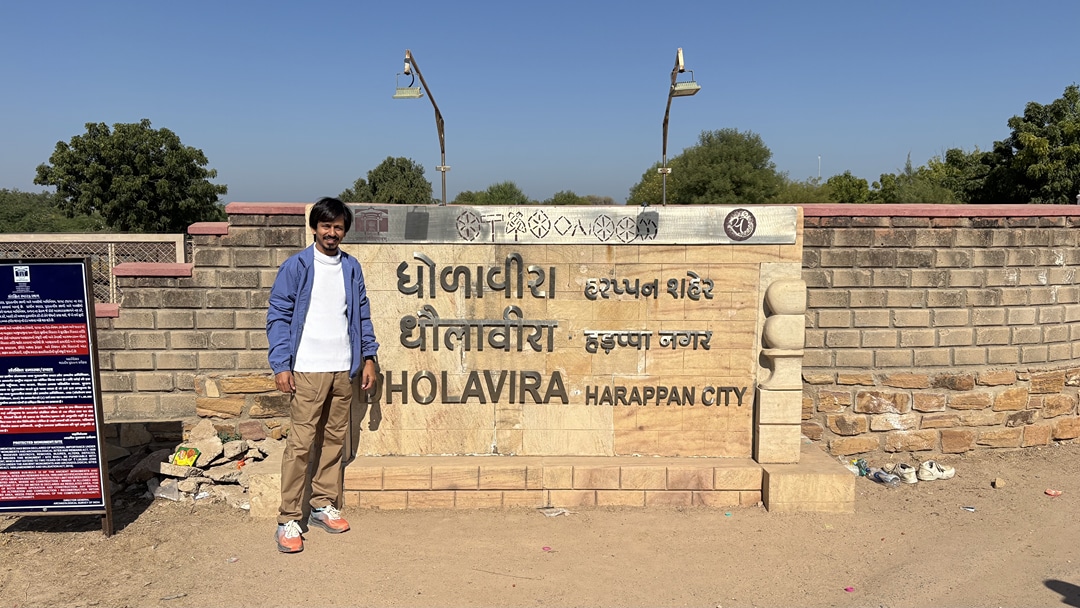
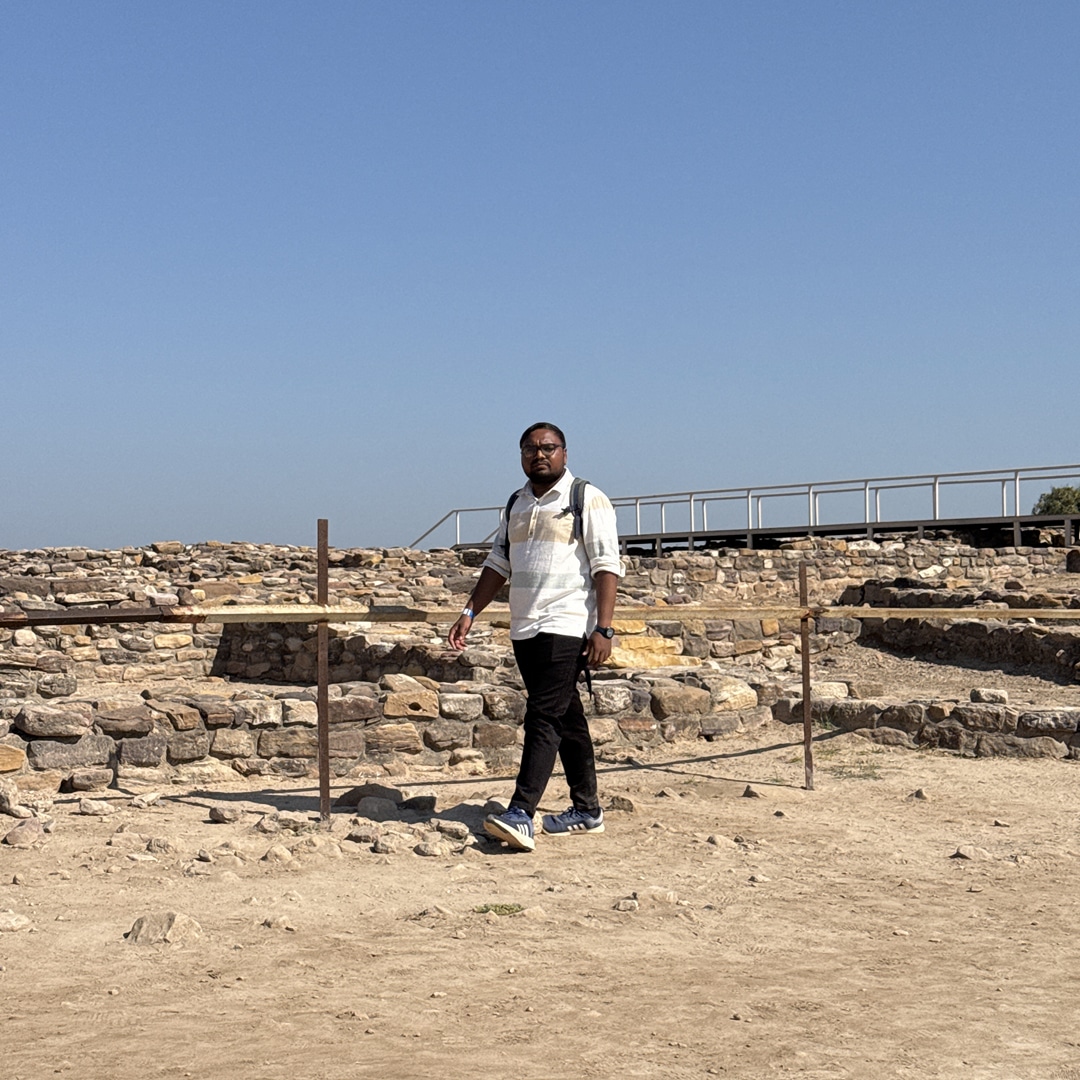
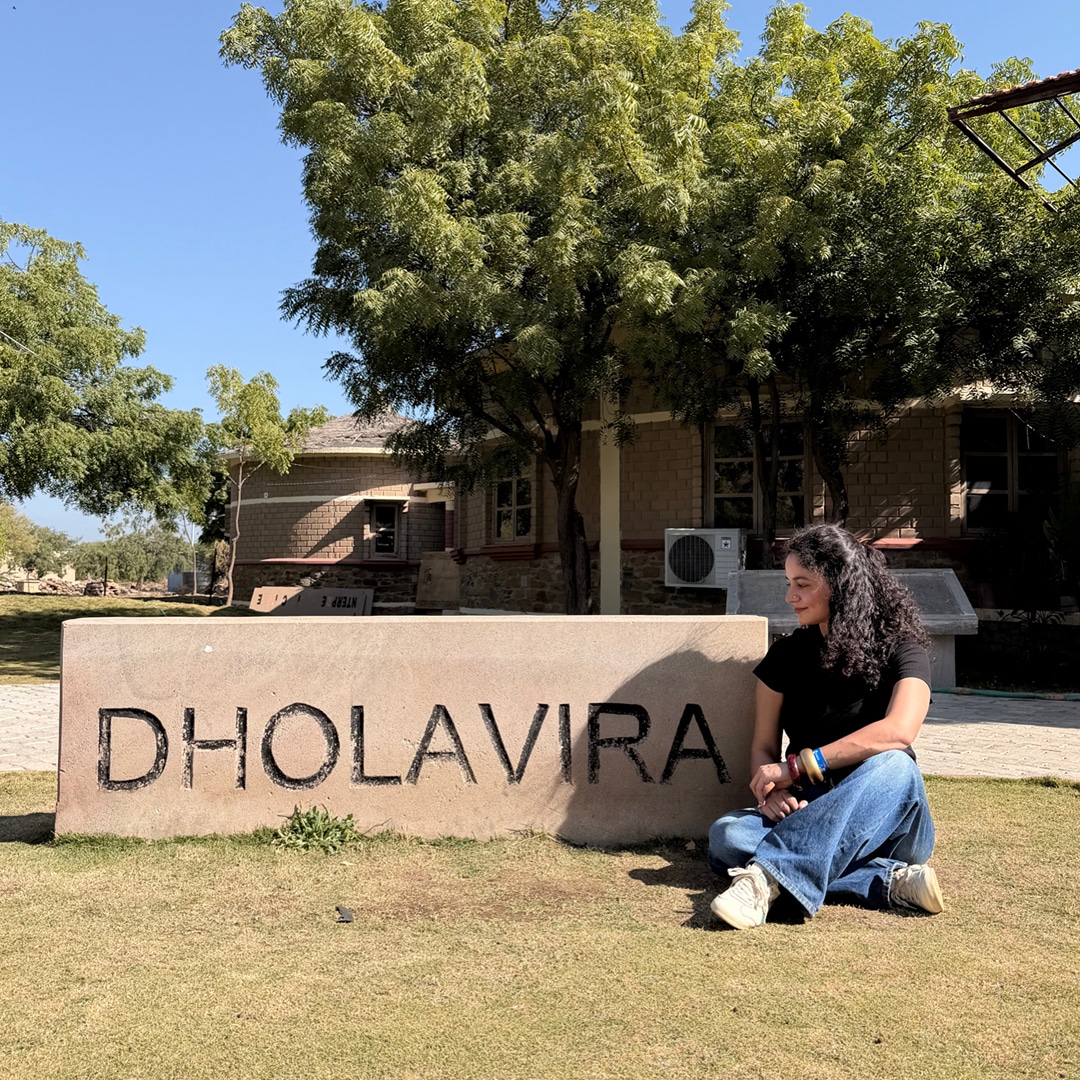
Dholavira Harappan Civilization
What is this place? – I'm NiVU, and I can tell you that this site is a significant archaeological excavation of a city belonging to the ancient Harappan (Indus Valley) Civilization. It offers a unique glimpse into one of the world's earliest urban cultures.
Why people come here: – People visit Dholavira to explore the ruins of an ancient city, learn about the sophisticated urban planning and water management systems of the Harappan people, and experience a key site of India's rich historical past.
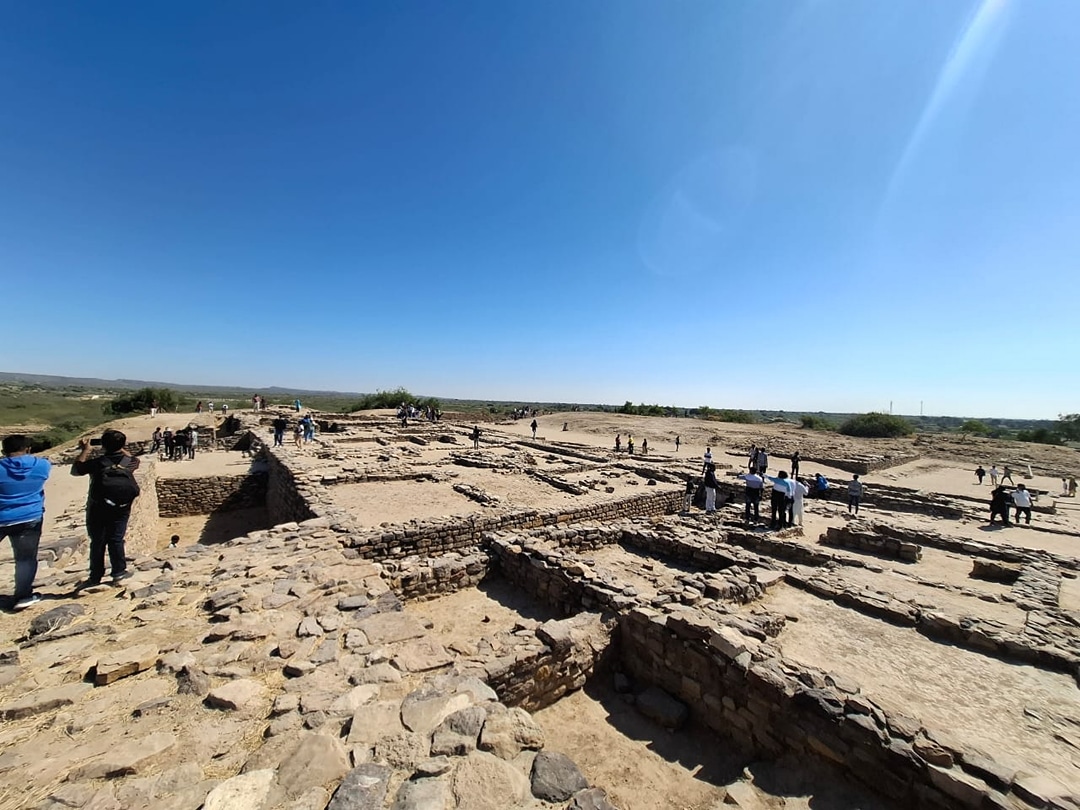
What to expect: – You can expect a vast open-air museum with well-preserved ruins, including a citadel, middle town, lower town, reservoirs, and a stadium. The atmosphere is generally quiet and reflective, allowing for an immersive historical experience. It’s best suited for history enthusiasts, archaeologists, and curious travelers.
Historical background
Ancient City – Dholavira is one of the five largest Harappan sites and the most prominent archaeological site in India belonging to the Indus Valley Civilization. It was occupied from around 3000 BCE to 1500 BCE, showcasing a highly developed urban settlement with advanced architecture and a unique water conservation system in the arid Rann of Kutch region.Key highlights
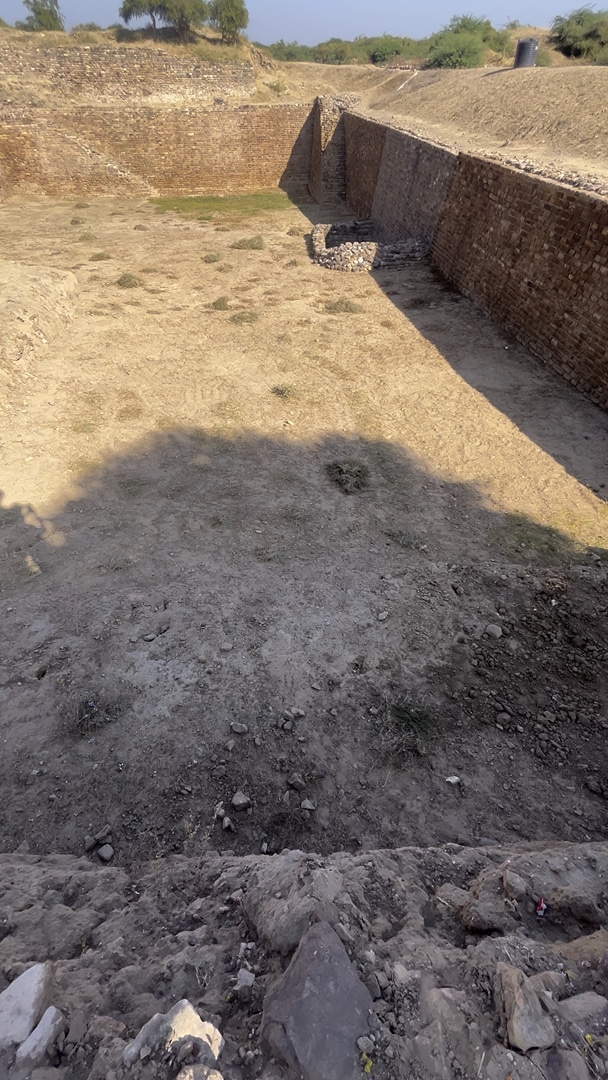
- Water Management System – Dholavira is renowned for its sophisticated water harvesting and storage systems, including large reservoirs and dams, which were crucial for survival in its arid location.
- Citadel and City Planning – The site features a meticulously planned city with a distinctive tripartite division into a citadel, middle town, and lower town, all fortified with massive stone walls.
- Unique Signboard – Archaeologists discovered a large inscription, often referred to as the "Dholavira Signboard," made of ten large symbols of the Indus script, found near the northern gate of the citadel.
- Ancient Stadium – A large, open area believed to be an ancient stadium or ceremonial ground is another fascinating feature, indicating the social and cultural life of the Harappans.
Best time to visit
Winter Months – The best time to visit Dholavira is during the cooler months, typically from October to March, to avoid the intense heat of the summer.How much time to spend
2-4 Hours – I recommend allocating at least 2 to 4 hours to thoroughly explore the site, including walking through the different sections and visiting the on-site museum.Practical info
Accessibility – The site involves a fair amount of walking on uneven terrain, so comfortable footwear is advisable. There are no extensive facilities immediately at the site, so it's wise to carry water and any necessary provisions.Good to know
UNESCO World Heritage Site – Dholavira was inscribed as a UNESCO World Heritage Site in 2021, recognizing its outstanding universal value. The nearest significant town is Bhuj , which is about a three-hour drive away.