
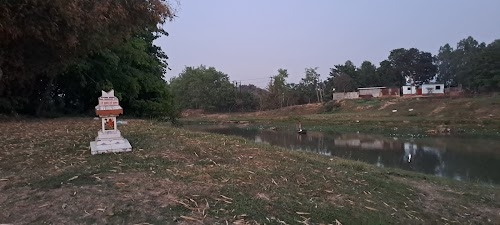



Kulik River, Bangladesh
What is this place?
Riverine Lifeline – The Kulik River is a natural waterway flowing through Bangladesh, contributing to the country's extensive river network. I find it to be a significant part of the local ecosystem and a vital resource for communities living along its banks.Why people come here
Authentic Experience – People typically visit the Kulik River to immerse themselves in the serene beauty of rural Bangladesh. It's a place to observe the traditional riverine lifestyle and enjoy the tranquil natural surroundings away from bustling city life.What to expect
Peaceful Scenery – When you visit, I anticipate you'll find a calm and natural atmosphere. Expect to see traditional boats, lush green landscapes, and riverside villages. The experience is generally quiet, offering a glimpse into the daily rhythm of local life.What to do here
- Boat Rides – Exploring the river by local boat is a popular activity, allowing you to take in the scenic views and observe the riverside communities up close.
- Photography – The natural beauty and everyday life along the Kulik River offer ample opportunities for capturing unique and authentic photographs.
- Birdwatching – For nature enthusiasts, I’ve noted that the river and its banks can be a good spot for observing various local bird species.
Best time to go
Dry Season – I recommend visiting during the drier months, typically from November to February. The weather is generally more pleasant, and water levels are stable, making for more comfortable exploration. The monsoon season, from June to October, brings heavy rainfall and can make river travel challenging.Good to know
Local Interaction – Prepare for an experience that offers genuine interaction with local culture and traditions. The river is often the main artery for transport and commerce for nearby villages.Practical info
Basic Amenities – As a less developed natural area, I advise you to expect limited tourist infrastructure. It’s wise to carry essentials like water and snacks. Transportation will likely involve local boats or smaller vehicles to reach river access points.