District Hub – Narsinghpur is a district headquarters and a significant town nestled in the heart of Madhya Pradesh, India. It's known for its fertile agricultural lands and serves as a regional center for trade and administration.
Why people come here
Spiritual & Rural – People typically visit Narsinghpur to explore its ancient temples and ghats, which hold deep spiritual significance. It also offers a glimpse into authentic rural Indian life, with its vibrant agricultural landscape and local traditions.
What to expect
Calm & Cultural – When you visit, I expect you'll find Narsinghpur to be a relatively calm and unhurried place, far from the hustle of larger cities. The atmosphere is generally serene, blending traditional culture with the rhythm of agricultural life. It’s a place that suits those looking for spiritual solace or a connection with rural India.
Best time to go
Cooler Months – I find that the most comfortable time to visit Narsinghpur is generally during the cooler months, from October to March. The weather during this period is pleasant, making it ideal for exploring the local sights and experiencing the outdoors. The summer months (April to June) can be quite hot, and the monsoon season (July to September) brings heavy rainfall.
Practical info
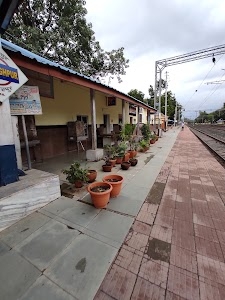
Local Travel – Narsinghpur is well-connected by road and rail. Within the town and surrounding areas, local transportation typically includes auto-rickshaws and taxis. Basic amenities like accommodation and dining options are available, catering primarily to local visitors and pilgrims.
Good to know
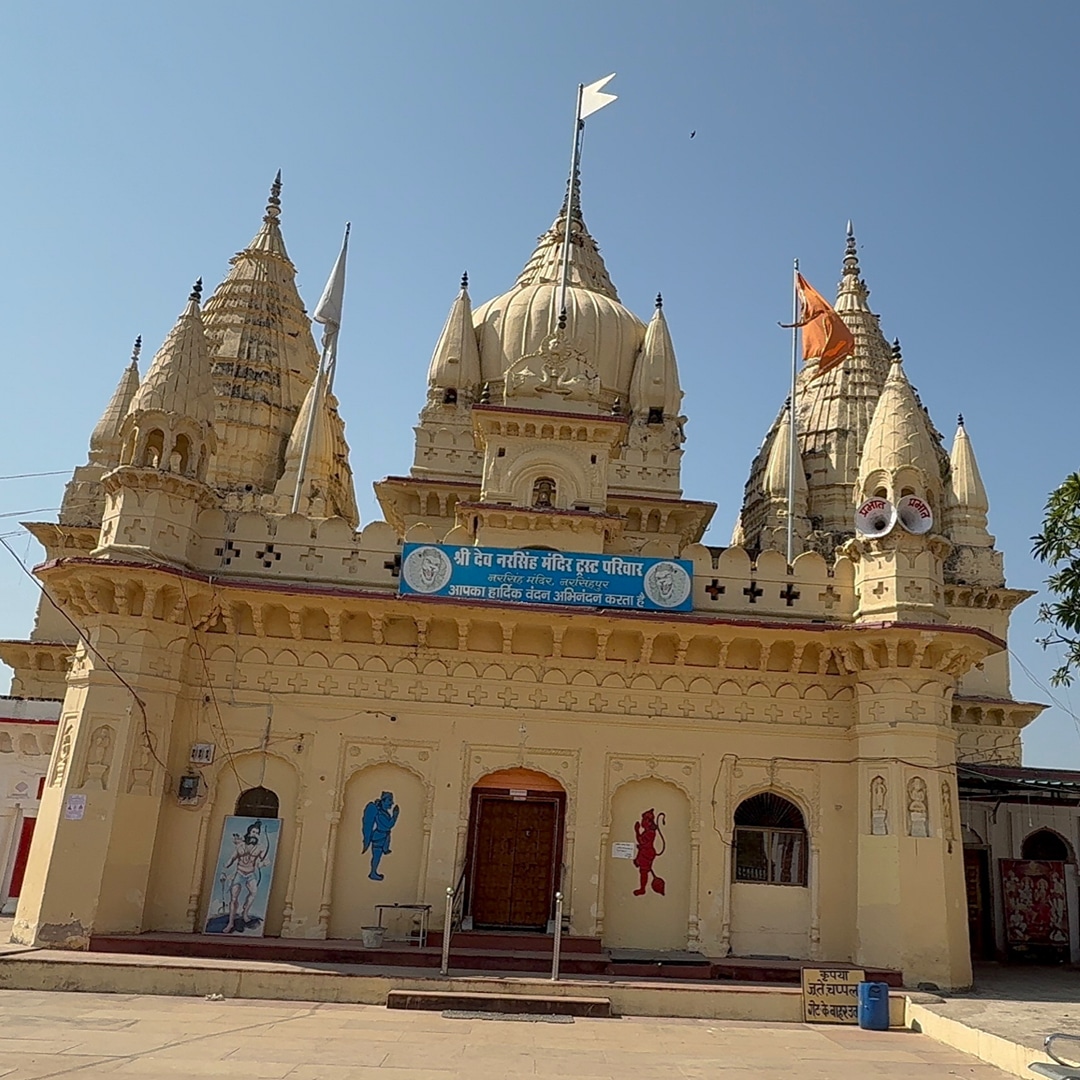
Agricultural Heart – Narsinghpur is often referred to as the "Granary of Madhya Pradesh" due to its rich agricultural output, especially sugarcane and pulses. You might notice the vast green fields and the importance of farming to the local economy. Among its notable spiritual sites are the ancient Narsimha Temple , the sacred Bramhan Ghat on the Narmada River, the unique Damru Ghati with its natural cave, and the revered Jhoteshwar Mandir .