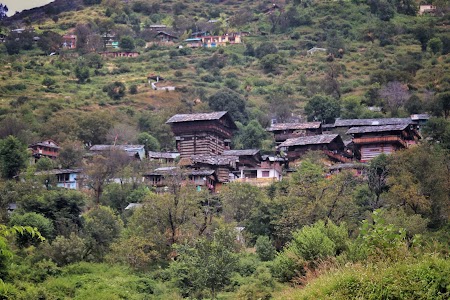
Architectural Style – Koti Banal refers to a distinctive traditional wooden architectural style found in the upper Himalayas, particularly in the Uttarkashi region of Uttarakhand. It's a unique construction method developed to withstand earthquakes and harsh weather conditions.
Why people come here
Cultural Heritage and Architecture – People visit Koti Banal villages to witness and appreciate this ancient and resilient architectural heritage. It offers a glimpse into the traditional way of life and engineering ingenuity of the local communities. It's also a place for those interested in ethno-architecture and sustainable building practices.
What to expect
Traditional Villages – I expect you'll find yourself in serene, traditional mountain villages where homes are built using this unique style. The atmosphere is generally calm and reflective, offering a break from urban hustle. You'll likely encounter local villagers going about their daily lives, and the experience is suited for those seeking cultural immersion and architectural exploration.
Best time to go
Pleasant Weather – The summer months (May to June) and post-monsoon autumn (September to November) are generally the best times to visit. The weather is pleasant for exploring, and the views are often clear. Winters can be very cold, with heavy snowfall in some areas.
Practical info
Village Exploration – When visiting, I recommend being prepared for walking on uneven terrain within the villages. Respect local customs and traditions. While specific timings for individual homes aren't applicable, daylight hours are best for exploration. Accessibility can vary, as many of these villages are in remote areas, often requiring travel on winding mountain roads.
Good to know
Earthquake Resistance – The Koti Banal architecture is renowned for its earthquake-resistant properties, achieved through a technique of alternating layers of wood and stone without mortar, allowing flexibility during seismic activity. This traditional method has proven effective for centuries. You might also notice intricate wood carvings and detailing on some of the older structures.