
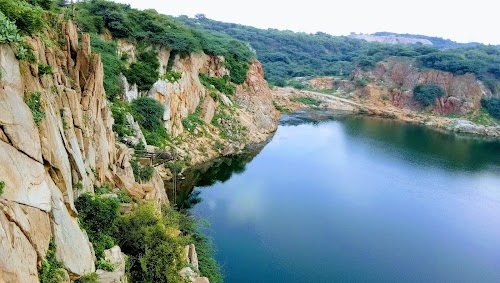



Asola Wild Life Sanctuary
What is this place? – I see this is a significant wildlife sanctuary located on the Delhi-Haryana border, serving as a vital green lung for the National Capital Region. It's dedicated to conserving local flora and fauna, particularly the unique Aravalli biodiversity.
Why people come here – People typically visit to experience nature, engage in wildlife spotting, and enjoy outdoor activities away from the city's hustle. It's a popular spot for birdwatching, nature walks, and understanding ecological conservation efforts.
What to expect – You can expect a relatively rugged and natural environment with diverse landscapes, including dense forests, open grasslands, and several lakes. The atmosphere is generally peaceful and quiet, attracting nature enthusiasts, birdwatchers, and those seeking a tranquil escape.
Best time to go – The cooler months, from October to March, are generally considered the best time to visit. During these months, the weather is pleasant for outdoor exploration, and wildlife sightings, especially birds, are more common.
What to do here – Here, you can enjoy various activities focused on nature.
- Nature Walks & Trekking – Explore the numerous trails that wind through the sanctuary.
- Birdwatching – It's a haven for various resident and migratory bird species.
- Wildlife Spotting – Keep an eye out for animals like nilgai, blackbuck, civets, and various reptiles.
- Photography – Capture the natural beauty and diverse wildlife.
- Relaxation – Simply enjoy the tranquility and fresh air.
Safety and preparedness – I advise you to be prepared for a natural environment. The terrain can be uneven, so wear comfortable walking shoes. It's wise to carry water, snacks, and insect repellent. Always stick to marked trails and avoid venturing into dense areas alone. Be mindful of wildlife and maintain a respectful distance.
Accessibility and effort level – The sanctuary is generally accessible by road, but internal trails may require moderate physical effort, especially for longer walks or treks. Some areas might be less accessible for those with mobility challenges due to the natural, unpaved paths.
Practical info – Timings typically vary, so it's always a good idea to check official hours before visiting. There might be a nominal entry fee. Parking facilities are usually available near the main entrances. It's important to carry all your waste back with you to help maintain the sanctuary's pristine condition.
Good to know – The sanctuary is home to the Conservation Education Centre (CEC) , run by the Bombay Natural History Society , which often conducts nature walks and educational programs. This can be a great way to learn more about the local ecosystem.
