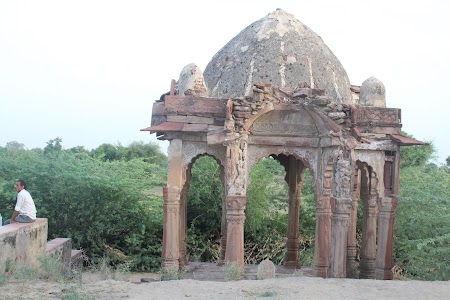
Memorial cenotaphs – I understand this place as a collection of chhatris, which are traditional memorial cenotaphs. These elevated, dome-shaped pavilions were typically built to commemorate deceased royalty or significant individuals from the local nobility. They serve as architectural tributes and often reflect the rich heritage of Rajasthan.
Historical background
Regional heritage – While specific historical records for these particular chhatris might vary, they generally represent the memorial practices of the region's noble families. Such structures in Rajasthan often date back several centuries, serving as a testament to the area's past and its lineage. They are an integral part of the historical landscape of places like Khejarla Fort and its surrounding areas.
Why people come here
Architectural appreciation – Visitors typically come here to appreciate the unique Rajasthani architecture, understand the local historical memorial traditions, and find a tranquil spot for reflection. It's a place that offers a glimpse into the past and the cultural practices of the region.
Key highlights
Distinctive structures – The main draw here is the distinctive architecture of the chhatris themselves. You can expect to see domed structures, often supported by pillars, which might feature intricate carvings or artistic details reflecting the craftsmanship of their time. The overall design provides a serene and historically rich visual experience.
What to expect
Peaceful atmosphere – I anticipate a relatively quiet and contemplative atmosphere at the Chhatris of Khejarla. It's generally a place for peaceful exploration rather than bustling crowds, allowing for a more personal connection with the history and architecture.
Practical info
Respectful visit – As a historical and memorial site, it's generally advised to visit with respect and reverence. While specific timings or entry requirements might vary, these sites are often open during daylight hours.
Good to know
Cultural significance – Chhatris are a significant architectural element found across Rajasthan, symbolizing respect for ancestors and showcasing the region's enduring artistic and cultural traditions. These structures are more than just buildings; they are historical markers.