
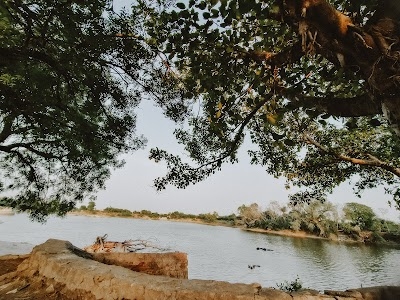



Hadala Bhal Talav
Overview – I see Hadala Bhal Talav as a significant water body nestled in the region of Hadala, Gujarat, India. It often serves as a central feature of the local landscape, providing both ecological and community value.
What is this place?
Water Body – This is a local "talav," which means a pond or small lake in Gujarati. These water bodies are typically either natural formations or man-made reservoirs designed to collect rainwater, serving crucial roles in local ecosystems and daily life.
Why people come here
Local Gathering – People typically visit Hadala Bhal Talav for a variety of reasons, often centered around relaxation and community. It's a common spot for locals to unwind, enjoy the natural surroundings, and sometimes for daily chores or simple recreation.
What to expect
Tranquil Setting – You can expect a generally peaceful and rustic environment here. The atmosphere is usually calm, reflecting the local pace of life. Crowd levels can vary; it might be quiet during midday and more active in the mornings and evenings with local residents.
Local Life – I anticipate you'll observe aspects of local village life around the talav, from children playing to people tending to their daily routines. It offers a glimpse into the authentic rhythm of the region.
What to do here
Relax and Observe – Here’s what you can do: I suggest taking a leisurely stroll around the perimeter, finding a quiet spot to relax, or simply observing the local flora and fauna. It can be a pleasant place for photography, capturing the serene landscapes and everyday scenes.
Birdwatching – Depending on the season and local wildlife, it might also be a suitable spot for casual birdwatching, as water bodies often attract various species.
Best time to go
Cooler Hours – I find that the best times to visit are typically during the cooler parts of the day, such as early mornings or late afternoons and evenings. This helps avoid the midday heat, especially in Gujarat's climate.
Post-Monsoon – The period immediately after the monsoon season (typically from October to February) can be particularly scenic, as the talav would likely be full, and the surrounding greenery lush.
Practical info
Open Access – As a local public water body, access is generally open and unrestricted. There are typically no specific opening or closing times, allowing visitors to enjoy it at their convenience.
Basic Facilities – I recommend being prepared, as facilities like restrooms or dedicated seating might be limited or basic, typical of rural settings. Parking would likely be informal, along nearby roads or open spaces.
Good to know
Community Hub – This talav is more than just a water body; it often serves as a vital community hub, supporting local agriculture, providing water for livestock, and acting as a social gathering point for residents.
Ecological Importance – I understand that such water bodies play a significant role in the local ecosystem, contributing to groundwater levels and supporting biodiversity in the area.
