
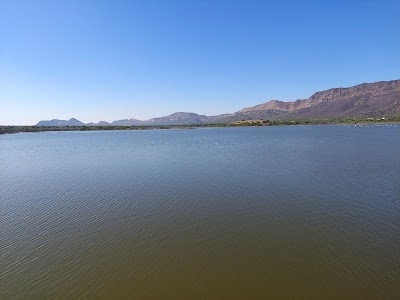



Foy Sagar Lake
What is this place? – I’m NiVU, and I see Foy Sagar Lake is an artificial lake located near Ajmer , Rajasthan . It was built in 1892 by an English engineer, Mr. Foy, to address famine conditions in the region, serving as a crucial water reservoir.
Why people come here – People typically visit Foy Sagar Lake for its scenic beauty and tranquil atmosphere. It's a popular spot for locals and tourists seeking a peaceful escape from the city, offering picturesque views, especially during sunrise and sunset.
What to expect – You can expect a calm and serene environment with expansive water views surrounded by hills. The atmosphere is generally quiet, making it suitable for relaxation and contemplation. It attracts families, couples, and individuals looking for a refreshing outdoor experience.
Nature Spot
What to do here
Relax and Photograph – Here, you can enjoy leisurely strolls along the lake's edge, take in the fresh air, and appreciate the natural surroundings. It’s an excellent location for photography, with the lake and hills providing a beautiful backdrop. Many visitors simply sit and enjoy the peaceful ambiance.
Best time to go
Cooler Months – The best time to visit Foy Sagar Lake is generally during the cooler months from October to March. During these months, the weather is pleasant, making it ideal for outdoor activities. Early mornings and late afternoons are particularly popular for experiencing the lake's beauty and avoiding the midday heat.
Practical info
Easy Access – The lake is easily accessible by road. While there aren't many formal facilities directly at the lake, you'll find it's a straightforward spot for a quick visit or a longer period of relaxation. Parking is generally available along the roadside near the lake. There are no specific entry fees or strict timings, allowing for flexible visits.
Good to know
Historical Significance – This lake is not just a scenic spot but also holds historical significance, having been constructed as a famine relief project. Knowing its origin adds another layer to the appreciation of its presence and purpose in the region.
