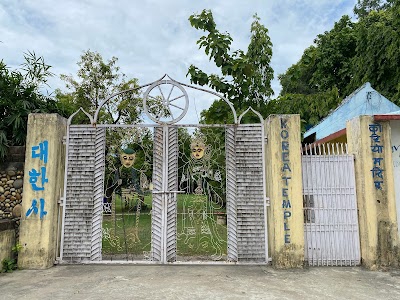
Buddhist Temple – This is a serene Buddhist temple, built by Korean monks, offering a peaceful retreat and a place for meditation and prayer. It serves as a significant spiritual center for the Korean Buddhist community and visitors alike.
Why people come here
Peace and Reflection – People typically visit for its tranquil atmosphere, to engage in meditation, or to learn about Buddhist practices. It's also a popular stop for those on a pilgrimage to Kushinagar , an important site in the life of Buddha.
Spiritual or cultural significance
Buddhist Heritage – The Korean Temple is an important part of the Buddhist circuit in Kushinagar , commemorating the place where Lord Buddha attained Mahaparinirvana. It represents the global reach of Buddhism and the strong ties between various Buddhist traditions.
What to expect
Quiet Serenity – I expect you'll find a calm and contemplative environment. The architecture often features traditional Korean design elements, and you might see monks performing daily rituals. It's generally a quiet place, suitable for introspection.
Visitor etiquette
Respectful Conduct – When visiting, I recommend dressing modestly, covering your shoulders and knees. It's customary to remove your shoes before entering the main prayer halls. Please maintain a respectful silence, especially in areas of worship, and avoid loud conversations. Photography might be restricted in certain areas, so look for signs or ask if unsure.
Best time to go
Cooler Months – The best time to visit is generally during the cooler months, from October to March, when the weather is more pleasant for exploring. Mornings and late afternoons are often quieter, offering a more peaceful experience.
Practical info
General Access – The temple is generally open during daylight hours, but specific timings can vary. There isn't typically an entry fee, but donations are welcome to support the temple's upkeep. I recommend allowing at least 30 minutes to an hour to experience the tranquility of the temple.
Good to know
Part of Pilgrimage – This temple is often visited as part of a larger tour of Buddhist sites in Kushinagar , such as the Mahaparinirvana Temple . It offers a unique cultural perspective within the broader Buddhist pilgrimage experience.