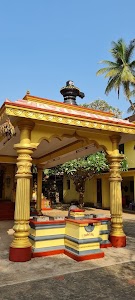
VR2R+7FG, Bolar, Mangaluru, Karnataka 575001, India
Sri Koragajja Temple
Explurge-Ins
7
Ratings (678)
4.8
Distance
-
What is this place?
Folk Deity Temple – This is a revered temple dedicated to **Koragajja**, a significant folk deity in the Tuluva culture of coastal Karnataka. It serves as a spiritual center deeply rooted in local traditions, where devotees come to seek blessings and justice.
Why people come here
Devotion & Blessings – People primarily visit to offer prayers, seek blessings from Koragajja, and perform specific rituals. It's a place of deep faith for many who believe in the deity's power to resolve problems and fulfill vows.
What to expect
Devotional Atmosphere – You can expect a serene and deeply devotional atmosphere. The temple typically sees a steady stream of devotees, especially during auspicious times or festivals. The rituals and worship practices here are unique to the Tuluva tradition.
Best time to go
Mornings/Evenings – I recommend visiting during the early morning or late evening hours for a more peaceful experience, as these times are generally less crowded. Specific festivals or special days can draw larger gatherings.
Visitor etiquette
Modest Dress – I suggest dressing modestly, covering shoulders and knees, as a sign of respect. **Photography** inside the main shrine is often restricted to maintain sanctity, so it's best to observe local guidelines. **Silence** should generally be maintained within the temple premises.
Practical info & Facilities
General Timings – Temples generally have specific opening and closing times, often with a midday break. It's advisable to check local timings before your visit. **Footwear** must typically be removed before entering the main sanctum. You will usually find basic facilities like areas for shoe storage and donation counters. **Parking** availability can vary, so it's good to be prepared.
Good to know
Unique Deity – Koragajja is a powerful folk deity, distinct from mainstream Hindu gods, revered for his ability to resolve problems and grant wishes. The worship practices are deeply rooted in local traditions and beliefs.