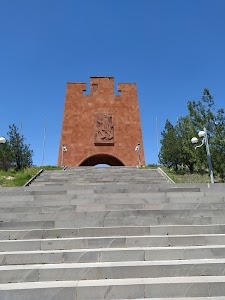
Memorial Complex – This is a solemn memorial complex dedicated to the heroic self-defense of the Armenian people during the 1915 Armenian Genocide. It stands as a powerful symbol of resilience and survival.
Purpose and significance
Historical Commemoration – I find this site commemorates the courageous resistance of Armenians from six villages on Musa Dagh (Mount Moses) against overwhelming Ottoman forces in 1915. It honors those who fought for their lives and successfully resisted deportation and extermination for 53 days.
What to expect
Solemn Reflection – Here, you can expect a profound and reflective experience. The memorial features various sculptures and architectural elements designed to convey the gravity and heroism of the events it commemorates. The atmosphere encourages quiet contemplation of history and human endurance.
Visitor conduct and etiquette
Respectful Behavior – I recommend visitors maintain a respectful demeanor throughout the site. Quiet reflection is appropriate, and photography should be conducted discreetly to preserve the solemnity of the place.
Practical info
Daylight Access – The memorial is generally accessible during daylight hours, allowing ample time for visitors to explore and reflect. The duration of a visit can vary, but I suggest allocating sufficient time for thoughtful engagement with the site's significance.
Good to know
Literary Connection – It’s good to know that the story of the Musa Dagh resistance gained international recognition through Franz Werfel's acclaimed 1933 novel, "The Forty Days of Musa Dagh." This memorial serves as a tangible link to that pivotal historical event.