
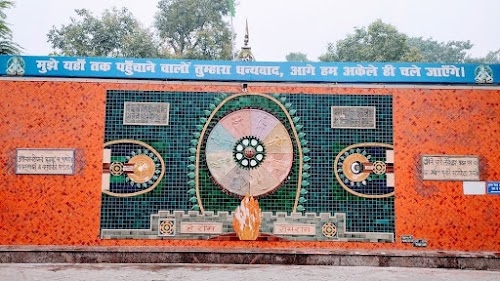



Nigam Bodh Ghat, Kashmere Gate
What is this place?
Cremation Ground – This is one of Delhi's oldest and most significant Hindu cremation grounds, situated on the banks of the Yamuna River near Kashmere Gate . It serves as a sacred site for performing the final rites and rituals for the deceased.Purpose and significance
Final Rites – Nigam Bodh Ghat holds immense spiritual and cultural importance for the Hindu community. It is traditionally believed to be a gateway to liberation (moksha) for the departed soul, especially due to its proximity to the holy Yamuna River. This ghat is a central location for families to conduct cremation ceremonies and other post-funeral rituals.Why people come here
Last Rites – People primarily come here to perform the last rites and cremation ceremonies for their deceased loved ones. It is a place of profound personal grief and spiritual duty, where families gather to bid farewell according to Hindu traditions.What to expect
Somber Atmosphere – I find the atmosphere here to be generally somber, quiet, and reflective. You can expect to witness cremation ceremonies and other related rituals taking place. It is a place dedicated to remembrance and the cycle of life and death, often with families engaged in their private ceremonies.Visitor conduct and etiquette
Respectful Behavior – When visiting, it's crucial to maintain a respectful demeanor. I recommend dressing modestly, speaking softly, and refraining from intrusive photography, especially of grieving families. It's a sacred space, and quiet contemplation is appropriate.Practical info
Open Always – The ghat typically operates 24 hours a day for funeral services. It is located in a central part of Delhi, making it relatively accessible. Parking can sometimes be limited due to the nature of the ceremonies and the surrounding busy areas.Good to know
Ancient Site – This ghat has a long history, believed to have existed for centuries, though its current structures have evolved over time. It stands as a testament to Delhi's continuous cultural and religious practices. Its location by the Yamuna River adds to its traditional sanctity.