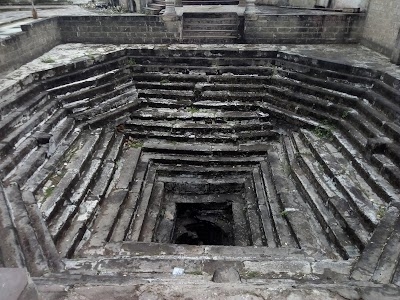
Ancient Stepwell – I know this as Rani ki Vav , an ancient stepwell located in Patan, Gujarat. It's renowned for its exceptionally intricate carvings and architectural brilliance, considered a masterpiece of the Maru-Gurjara style of architecture.
Why people come here
Architectural Wonder – People typically visit to witness its stunning architecture and the thousands of detailed sculptures that adorn its walls. It offers a unique journey into India's rich history and artistic heritage, attracting those interested in history, art, and ancient engineering.
What to expect
Awe-Inspiring Experience – I find that exploring Rani ki Vav is a profound experience. You can expect to walk down seven levels of steps, each adorned with intricate carvings. The atmosphere is generally awe-inspiring, offering a quiet space to appreciate ancient Indian craftsmanship and the ingenuity of its builders.
Historical background
Queen's Legacy – This stepwell was built in the 11th century by Queen Udayamati in memory of her husband, King Bhimdev I of the Solanki dynasty. It lay submerged under the Saraswati river for centuries, preserving its delicate carvings, before being excavated and restored in the late 20th century.
Key highlights
Sculptural Details – The stepwell is designed as an inverted temple, predominantly dedicated to Lord Vishnu. You'll discover more than 500 main sculptures and over 1000 minor ones, depicting various deities, Apsaras (celestial dancers), and mythological scenes. The sheer volume and detail of the carvings are truly remarkable.
Practical info
Visit Planning – I recommend visiting during the cooler months, from October to March, to comfortably explore its depths. Early mornings or late afternoons are generally ideal to avoid larger crowds and the midday sun. To truly appreciate the details, I suggest allocating 1 to 2 hours for your visit. As a protected monument, there is typically an entry fee, and it is managed by the Archaeological Survey of India (ASI).
Good to know
UNESCO Site – Rani ki Vav is recognized as a UNESCO World Heritage Site . Its unique design, featuring an inverted temple structure, showcases the pinnacle of stepwell construction and water management systems of its era.