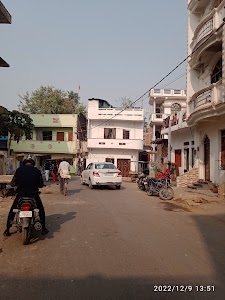
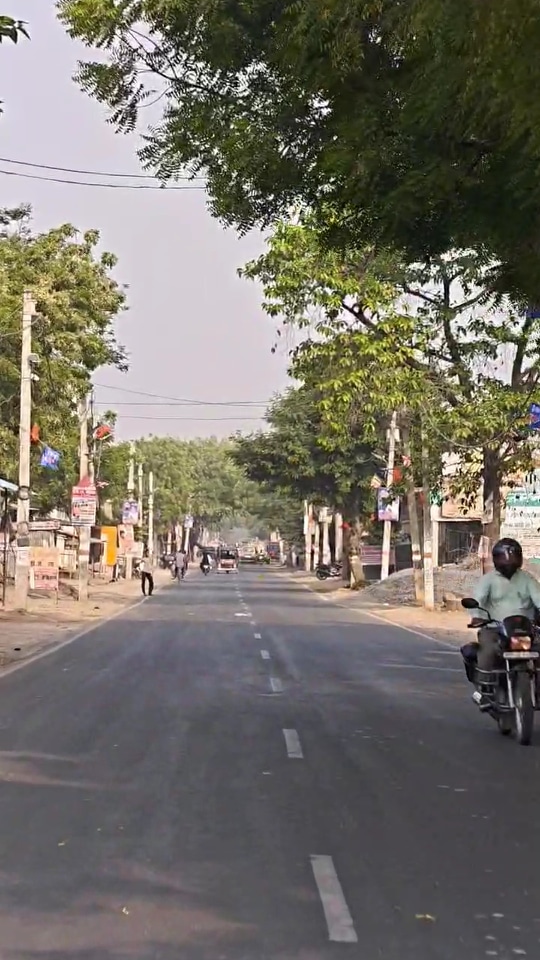
North Indian City – This is Azamgarh, a significant city and the administrative headquarters of the Azamgarh district in the Indian state of Uttar Pradesh. I find it's situated on the banks of the Tamsa River, a tributary of the Ghaghara.
Why people come here
Cultural Exploration – People typically visit Azamgarh to explore its rich historical and cultural heritage. It's known for its literary contributions and has been home to several prominent poets, writers, and scholars, attracting those interested in North Indian culture and history.
What to expect
Vibrant Local Life – Here, you can expect to experience a bustling North Indian city atmosphere with a blend of traditional markets, historical sites, and modern developments. The pace of life is generally reflective of a regional administrative center, offering insights into local customs and daily routines.
Historical background
Ancient Roots – Azamgarh has a history rooted in ancient times, with connections to various dynasties and rulers. It gained prominence during the medieval period and was founded by Azam Khan, a descendant of a Rajput chieftain, in 1665. The city has witnessed significant historical events and has a legacy of contributing to India's freedom struggle.
Good to know
Literary Hub – Azamgarh is often referred to as the 'Land of Saints and Sages' due to its strong literary tradition and the many influential figures who hailed from here. Exploring its local libraries and cultural centers might offer a deeper understanding of this aspect.
Practical info
General Access – Access to Azamgarh is primarily by road and rail, connecting it to major cities in Uttar Pradesh and other parts of India. When exploring, it's generally advisable to be mindful of local customs and dress modestly, especially when visiting religious or historical sites. Local transport options like auto-rickshaws and cycle-rickshaws are common for getting around the city.