
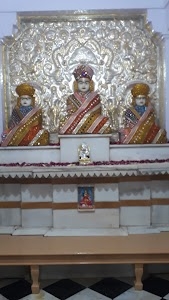



Dhalop Jain Temple
What is this place? – I identify this as a Jain temple located in the village of Dhalop, Rajasthan. It is a significant place of worship and spiritual contemplation for the Jain community.
Why people come here – People typically visit this temple for religious devotion, to offer prayers, and to seek blessings. It also serves as a center for community gatherings and spiritual learning.
What to expect – You can expect a serene and peaceful atmosphere, conducive to meditation and prayer. The temple generally attracts devotees and those interested in Jain culture and architecture. The crowd levels are typically calm, increasing during festivals or special religious observances.
Best time to go – The best time to visit is generally during the cooler months, from October to March, to avoid the intense heat of Rajasthan. Mornings and evenings are usually the most tranquil times of day for a visit.
Practical info – While specific timings may vary, temples generally open early in the morning and close in the evening. It's advisable to allocate about 1-2 hours for a peaceful visit. Accessibility is usually straightforward for most visitors, but specific details on ramps or special assistance might need local inquiry. Parking is typically available nearby.
Spiritual or cultural significance – This temple holds deep spiritual significance for Jains, dedicated to one or more Tirthankaras. It embodies Jain principles of non-violence, truth, and asceticism, serving as a focal point for religious practices and cultural traditions in the region.
Visitor etiquette – When visiting, I recommend dressing modestly, covering your shoulders and knees. It is customary to remove your shoes before entering the main shrine. Maintaining silence and respect for the religious practices of others is highly appreciated. Photography rules can vary, so it's always best to observe signs or inquire locally.
Good to know – Many Jain temples are known for their intricate carvings and unique architectural styles. Keep an eye out for these details, as they often tell stories from Jain scriptures and history.
