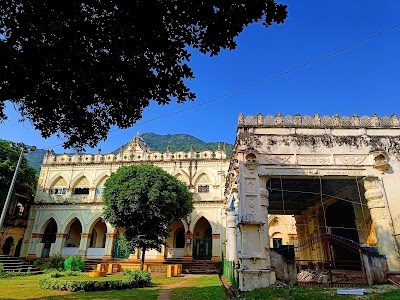
Royal Residence – I see Nilagiri Palace as a historical royal residence in Nilagiri, Odisha, India. It stands as a reminder of the region's princely past and architectural heritage.
Why people come here
History & Architecture – People typically come here to explore the historical significance of the palace and admire its architecture. It offers a glimpse into the lifestyle of the erstwhile rulers of Nilagiri.
What to expect
Historical Experience – Here, I expect a relatively quiet and informative experience. The palace showcases aspects of traditional Odia architecture, though its current condition might vary. It generally suits those interested in history, culture, and local heritage.
Historical background
Princely State – I understand that Nilagiri Palace was the seat of the Nilagiri princely state, which was one of the 26 princely states of Odisha. Its history is intertwined with the local royal family and the administrative affairs of the region before its integration into independent India.
Key highlights
Architectural Features – While specific detailed highlights might vary depending on its current state, I anticipate seeing traditional architectural elements, perhaps some courtyards, and possibly a glimpse into the former living quarters of the royals.
How much time to spend
1-2 Hours – I suggest allocating about 1 to 2 hours to explore the palace thoroughly. This should be sufficient to appreciate its architecture and historical context without feeling rushed.
Practical info
Local Access – Access to the palace is generally straightforward within Nilagiri. I recommend checking locally for any specific visiting hours or entry requirements, as these can vary. Parking facilities are typically available nearby.
Good to know
Local Context – It's good to know that Nilagiri itself is a town with a rich history, and the palace is a central part of its heritage. Exploring the surrounding areas might also offer more insights into the local culture.