
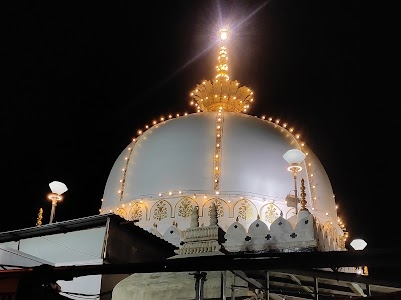



What is this place?
Sacred Shrine – I see this is the revered Sufi shrine of Khwaja Moinuddin Chishti, a prominent saint of the Chishtiya order. It's a significant pilgrimage site for Muslims globally, located in the heart of Ajmer , Rajasthan.
Spiritual and Historical Significance
Legacy of Peace – This Dargah holds immense spiritual importance, embodying the teachings of peace, tolerance, and love propagated by Khwaja Moinuddin Chishti, also known as Gharib Nawaz (benefactor of the poor). Historically, its construction began in the 13th century, with various Mughal emperors and other rulers contributing to its expansion and embellishment over centuries, making it a symbol of composite culture and faith.
Why People Visit
Seeking Blessings – People from all faiths visit this Dargah to pay homage, seek blessings, and offer prayers for the fulfillment of their wishes. Many believe that sincere prayers offered here are answered. It's a place where devotees experience a profound sense of peace and spiritual connection.
Key Features and Experience
Architectural Grandeur – As you enter, you'll notice the grand Nizam Gate and Shahjahani Gate, leading to the inner courtyards. The main shrine, or Mazar-e-Aqdas, houses the tomb of the saint. You might see devotees offering 'chadar' (embroidered cloth) and 'phool' (flowers). The two large cauldrons, Degs, are used to cook 'langer' (sacred food) during festivals. The atmosphere is often vibrant, filled with devotional music (Qawwali) and the murmuring of prayers.
Visitor Etiquette
Respectful Conduct – I recommend dressing modestly, covering your head (especially for women), and removing your shoes before entering the main shrine area. Photography might be restricted in certain parts, so it's always good to observe signs or ask. Maintaining silence and reverence is appreciated, especially inside the sanctum sanctorum. Be mindful of personal space, particularly during crowded times.
Practical Information
Open Daily – The Dargah is generally open from early morning until late evening, though specific timings can vary with seasons or special occasions. Entry is free. Expect queues, especially during festivals or weekends. There are facilities for shoe storage and washrooms available. The area around the Dargah can be very busy, with narrow lanes, so walking is often the best way to get around once you are close. It's advisable to visit during the cooler months, from October to March, for a more comfortable experience.
Good to Know
Urs Festival – The most significant event here is the annual Urs festival, commemorating the saint's death anniversary. This period sees millions of devotees, making it incredibly crowded but also profoundly spiritual. Keep an eye out for the traditional Qawwali performances, which are an integral part of the Dargah's cultural fabric.
