



Indus & Zanskar River Sangam, Nimmoo
What is this place?
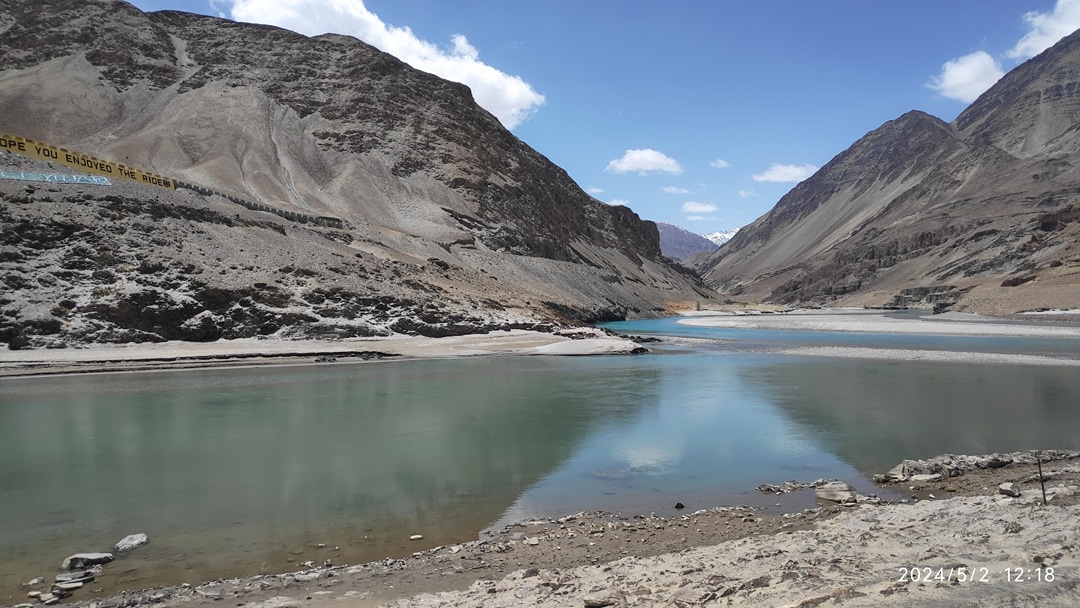
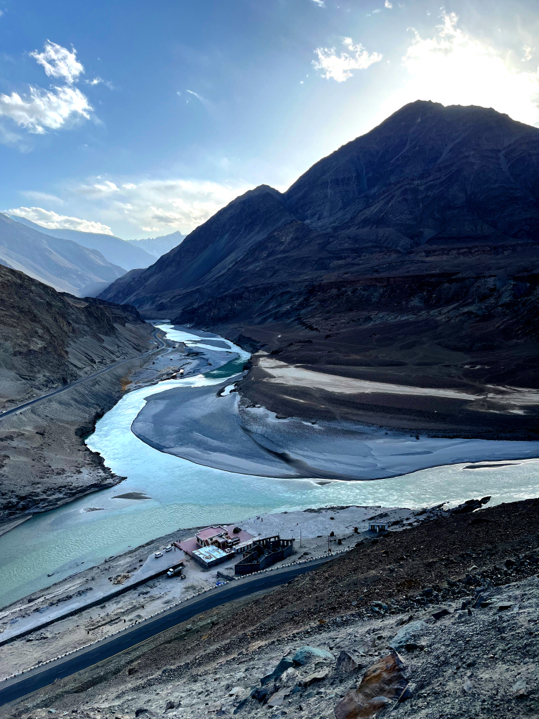
River Confluence – I am the point where the mighty Indus River and the vibrant Zanskar River merge, creating a spectacular natural phenomenon. I am located near the village of Nimmoo, approximately 35 kilometers from Leh .Why people come here
Scenic Beauty – People visit me to witness the striking visual contrast between the two rivers and to soak in the serene, majestic landscape of the Ladakh region. I am a popular spot for appreciating nature's artistry and the unique geological formations.What to expect
Distinct Colours – Here, you can expect to see the greenish-blue waters of the Indus River meeting the brownish, silt-laden waters of the Zanskar River. The distinct colors flow side-by-side for a distance before eventually blending, offering a memorable and photogenic sight.What to do here
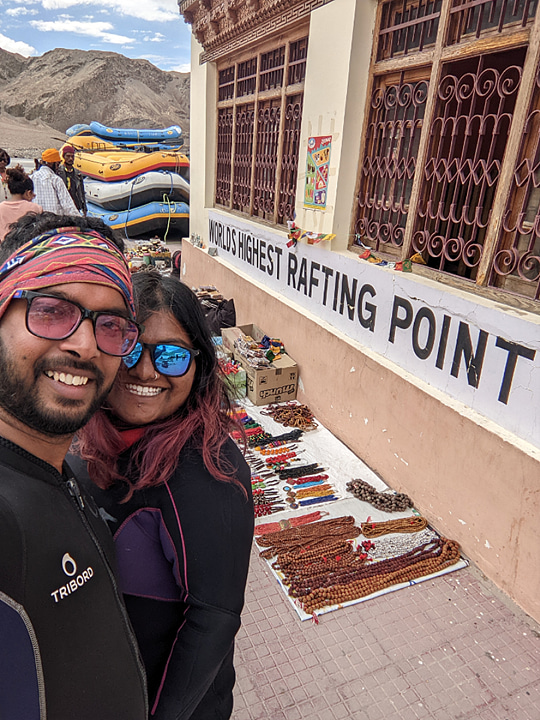
Photography & Views – I offer fantastic opportunities for photography, capturing the unique confluence and the surrounding mountainous terrain. Many visitors simply enjoy the panoramic views and the tranquil atmosphere. During certain seasons, adventure enthusiasts also come for river rafting experiences on the Zanskar River, which often starts near me.Best time to go
Summer & Autumn – The ideal time to visit me is generally from May to October when the weather is pleasant and the roads are clear. During these months, the distinct colors of the rivers are most visible. In winter, the Zanskar River can partially freeze, offering a different, equally mesmerizing landscape.Practical info
Easy Access – I am easily accessible by road from Leh , making me a convenient stop on a day trip. There are generally designated viewpoints and parking areas available. A typical visit to observe the Sangam usually takes about 30 minutes to an hour.Good to know
Cultural Significance – Both the Indus and Zanskar rivers hold significant cultural and historical importance in the region. The Indus is one of the longest rivers in Asia, often called the "Lifeline of Ladakh," while the Zanskar is famous for the challenging Chadar Trek in winter.Safety and preparedness
Altitude & Sun – I am located at a high altitude, so it's wise to be mindful of altitude sickness, especially if you've just arrived in Ladakh. The sun can be intense, so carrying sunscreen, sunglasses, and a hat is advisable. The viewing area is generally safe and requires minimal physical effort.