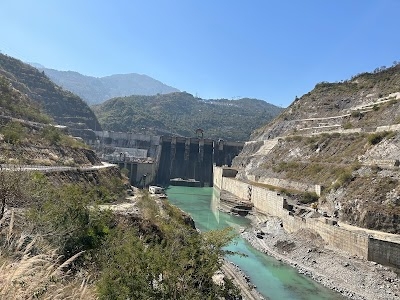
Hydroelectric Project – Koteshwar Dam is a large concrete gravity dam on the Bhagirathi River in Uttarakhand, India. It's an integral part of the Tehri Hydroelectric Complex , primarily built for hydroelectric power generation and irrigation. It also serves to regulate water flow for the larger Tehri Dam downstream.
Why people come here
Scenic Views & Engineering Marvel – People typically visit Koteshwar Dam to witness a significant engineering marvel and enjoy the scenic beauty of the surrounding Himalayan foothills and the reservoir it creates. It's a place for those interested in large-scale infrastructure and the impact of such projects on the landscape.
What to expect
Impressive Structure & Tranquility – I find that visitors can expect to see an impressive dam structure and the vast expanse of the reservoir. The atmosphere is generally calm and peaceful, offering a vantage point for appreciating the scale of human engineering against a natural backdrop. It's suitable for individuals, families, and groups interested in sightseeing and understanding hydroelectric power.
Best time to go
Post-Monsoon & Winter – The best time to visit is typically from October to March. During these months, the weather is pleasant, offering clear skies and comfortable temperatures, which are ideal for enjoying the views without the intensity of the summer heat or the challenges of the monsoon season.
Practical info
Limited Access & Caution – Access to the dam site itself might be restricted or require special permission due to security reasons, as is common with critical infrastructure. Visitors usually view it from designated viewpoints. There are typically no specific entry fees for viewing from public areas. Always exercise caution around large water bodies and industrial sites.
Good to know
Tehri Complex – Koteshwar Dam is located about 22 km downstream from the main Tehri Dam . It acts as a balancing reservoir for the Tehri Hydroelectric Project, ensuring a consistent water supply for power generation and irrigation further down the river. The dam also has its own 400 MW power plant.