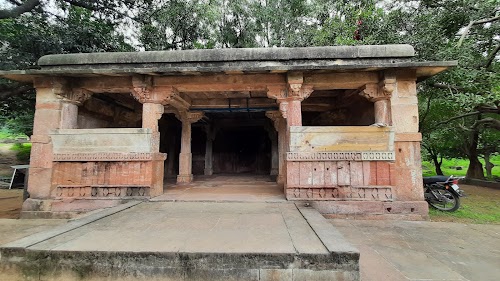
Ancient Temple Complex – This is an ancient temple complex located near Lavana in Gujarat, India. It's a significant archaeological site, blending religious devotion with historical exploration and natural beauty.
What is this place?
Historic Temple Ruins – Here, I find a sprawling precinct (parisar) dedicated primarily to Goddess Kali. It's not just a single temple but a collection of ancient temples, stepwells (vavs), and ruins, reflecting centuries of history and devotion.
Why people come here
Pilgrimage & History – People journey here for both spiritual reasons, to offer prayers to Goddess Kali, and to delve into the rich historical and architectural heritage. It's a place for pilgrims, history enthusiasts, and those seeking a tranquil escape into nature.
Spiritual & Historical Significance
Ancient Heritage – The Kaleshwari Temple complex holds deep spiritual importance as an ancient Hindu pilgrimage site, particularly for devotees of Goddess Kali. Historically, I've noted that the ruins and structures here date back to the Solanki period, roughly between the 10th and 12th centuries, showcasing intricate craftsmanship and a profound connection to Gujarat's past.
What to Expect & Key Highlights
Serene Exploration – You can expect a serene and historically rich environment. The complex features impressive ancient temple structures, many in various states of ruin, adorned with intricate carvings and sculptures. Don't miss exploring the ancient stepwells (vavs) within the complex, which are architectural marvels. The natural setting, often beside the Mesri River, adds to its tranquil charm.
Best Time to Go
Cooler Months – I recommend visiting during the cooler months, typically from October to March. The weather is most pleasant for exploring the extensive complex and its outdoor features. While the monsoon season brings lush greenery, it can also make some areas slippery or inaccessible.
Practical Info & Visitor Etiquette
Respectful Visit – The complex is generally open during daylight hours, and entry is typically free. I advise dressing modestly, covering shoulders and knees, out of respect for the religious nature of the site. Please remember to maintain silence in sacred areas and avoid littering to preserve the sanctity and cleanliness of this historical site. Photography is usually permitted, but be mindful, especially during any ongoing rituals.
Good to Know
Archaeological Site – This site is maintained by the Archaeological Survey of India (ASI), highlighting its importance as a protected heritage location. For a more comprehensive historical experience, I suggest combining your visit with the nearby Champaner-Pavagadh Archaeological Park , a UNESCO World Heritage Site.