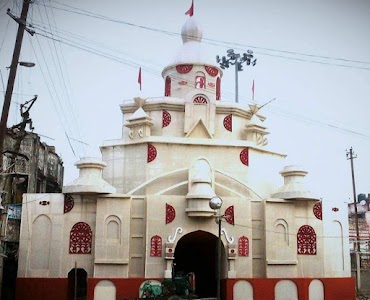
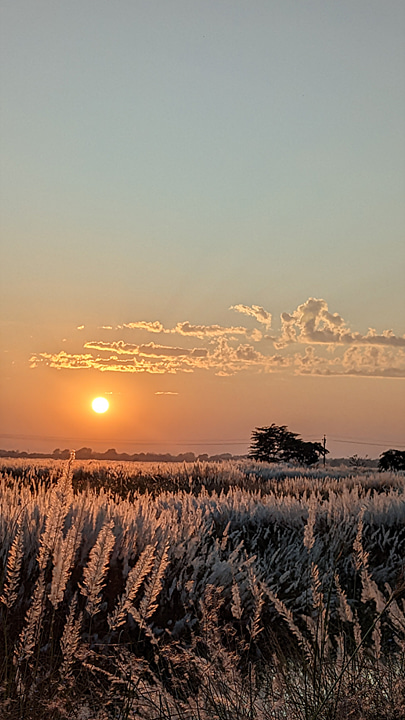
Historical City – Siwan is a historic city and district located in the Indian state of Bihar. It serves as a regional hub, known for its deep roots in ancient history and its significant contributions to India's freedom struggle. I consider it a place where the past and present intertwine in everyday life.
Why people come here:
Heritage Exploration – People typically visit Siwan to explore its historical sites, understand its role in India's independence movement, and experience the local culture of Bihar. It also attracts those with ancestral connections to the region or those looking for a glimpse into traditional Indian district life.
What to expect:
Bustling Local Life – Here, you can expect a lively atmosphere with bustling markets, traditional architecture, and a strong sense of community. The pace of life is generally unhurried, reflecting the rural charm of Bihar, interspersed with the activities of a growing urban center.
Historical background:
Ancient Roots – Siwan, historically known as Aliganj Sawan, has a rich past dating back to ancient times, believed to be part of the Malla dynasty's territory. It gained prominence during the British Raj and played a crucial role in the Indian independence movement, notably as the birthplace of India's first President.
Spiritual and cultural significance:
Devotional Hub – The region holds significant spiritual value, with numerous temples and shrines reflecting its deep-rooted religious traditions. Festivals like Chhath Puja are celebrated with great fervor, showcasing the vibrant cultural heritage and community spirit of the locals. You might find a visit to Mahendra Nath Temple particularly insightful.
Best time to go:
Cooler Months – The most pleasant time to visit Siwan is generally during the cooler, dry months from October to March. During this period, the weather is more comfortable for exploring and experiencing local life without the intensity of summer heat or monsoon rains.
Good to know:
President's Birthplace – Siwan is famously the ancestral home of Dr. Rajendra Prasad, the first President of India. His ancestral village, Ziradei , is located here and is a place of historical reverence. This connection adds a unique layer to the district's historical identity.