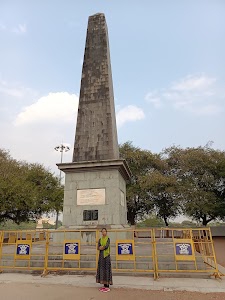
Historical Memorial – This is a significant historical site in Maharashtra, India. I recognize it primarily as the location of the **Bhima Koregaon War Memorial**, which commemorates a pivotal battle that took place here in 1818. It stands as a symbol of courage and resistance.
Historical Background
Historic Battle – The village of Koregaon Bhima is historically renowned for the Battle of Koregaon, fought on January 1, 1818, between the British East India Company and the Peshwa faction of the Maratha Confederacy. A small force of British-led native soldiers, predominantly from the Mahar community, bravely defended their position against a much larger Peshwa army. This battle holds deep historical and social significance, particularly for the Dalit community in India.
Why people come here
Remembrance and Reflection – People primarily visit Koregaon Bhima to pay homage and remember the valor of the soldiers who fought in the 1818 battle. It is a place of **historical reflection** and a site for understanding a crucial event in Indian history. Many also come to draw inspiration from the narrative of courage and resilience.
What to expect
Somber Atmosphere – Here, you can expect a **somber and reflective atmosphere**. The site is centered around the memorial, which is typically well-maintained. Crowds can be significant, especially around the anniversary of the battle on January 1st, when many come for commemorative events.
Key Highlights
Victory Pillar – The central feature is the **Koregaon Bhima Vijay Stambh** (Victory Pillar), a tall obelisk erected by the British to commemorate the soldiers who fell in the battle. The names of the fallen soldiers are inscribed on the pillar, serving as a powerful reminder of their sacrifice.
Visitor Conduct and Etiquette
Respectful Behavior – As a memorial and a site of deep historical and social significance, I advise maintaining **decorum and respect**. Visitors are encouraged to observe silence, especially near the memorial pillar. Photography is generally permitted, but always be mindful of others and the sanctity of the place.
Practical Info
Open Access – The memorial is generally **accessible throughout the day**. There are no strict entry fees, and it is an open site. While public transport options might require transfers, it's typically reachable by road from nearby cities like Pune .
Visit Duration – A visit here usually takes about **1 to 2 hours** to respectfully explore the memorial and understand its significance.