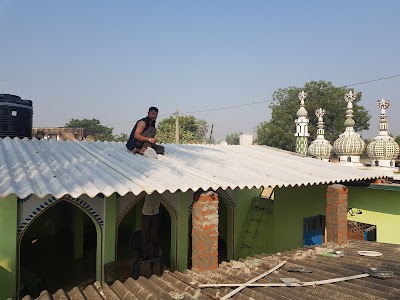
Mosque – Kabisha Masjid is a place of worship for Muslims, typically serving as a community hub for prayers, religious education, and social gatherings. Here, I find a space dedicated to spiritual reflection and communal devotion.
Spiritual or cultural significance
Faith & Community – As a mosque, this place holds deep spiritual importance for the Muslim community. It serves as a focal point for daily prayers, Friday congregational prayers, and often hosts events that celebrate Islamic traditions and foster community bonds. It's a place where faith is practiced and shared.
Why people come here
Worship & Gathering – People primarily visit Kabisha Masjid to fulfill their religious obligations, such as offering daily prayers (Salah) and attending sermons. It's also a place for spiritual solace, learning about Islamic teachings, and connecting with fellow community members.
What to expect
Peaceful Atmosphere – I expect a generally peaceful and respectful atmosphere. During prayer times, especially for Friday prayers, the mosque can be quite busy. Outside of these times, it typically offers a serene environment for personal reflection. Visitors usually find a welcoming community here.
Visitor etiquette
Respectful Conduct – When visiting, it's important to dress modestly, covering shoulders and knees. Women are generally expected to cover their heads. Removing shoes before entering the prayer hall is customary. I recommend maintaining a quiet demeanor and being mindful of those engaged in prayer. Photography may be allowed, but always be respectful and avoid disturbing worshippers.
Practical info
Open Daily – Mosques are generally open for daily prayers from dawn until after evening prayers. While specific timings can vary, access is usually available throughout the day. The duration of a visit can range from a quick prayer to longer stays for sermons or community events. Accessibility typically includes separate entrances or prayer areas for men and women.
Good to know
Community Hub – Beyond prayers, mosques often play a vital role in their local communities, sometimes hosting charitable activities, educational programs, or social support initiatives. It's a place that often reflects the local culture and traditions of the Muslim population it serves.