
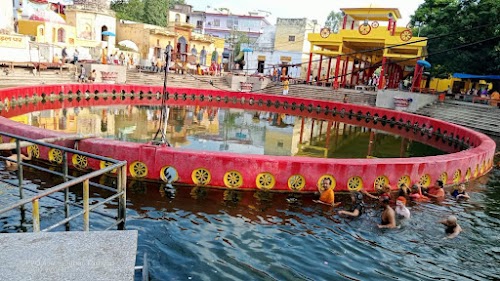



Neemsar DEHAT, Naimisaradya, Uttar Pradesh, India
What is this place?
Sacred Village – This is a village area nestled within the revered Naimisharanya region in Uttar Pradesh. It is part of a significant pilgrimage circuit, often considered a sacred forest mentioned in ancient Hindu scriptures. I see it as a place where spirituality and rural life intertwine.Spiritual Significance
Ancient Wisdom – Naimisharanya is deeply sacred in Hinduism, believed to be where many Puranas were recited by Suta Puranika to sages. It is considered a place where one can connect with ancient wisdom and spiritual energy. Many believe that a pilgrimage here can cleanse sins and grant spiritual merit.Why people come here
Pilgrimage & Peace – People typically come here for pilgrimage, seeking spiritual solace and to perform religious rites. Many visit the various ashrams and temples dotted around the wider Naimisharanya area. It's also a place for those looking for a peaceful retreat away from urban hustle.What to expect
Serene Atmosphere – You can expect a serene and spiritual atmosphere, often filled with the sounds of temple bells and chants. The area is generally quiet, though it can become bustling during major festivals and auspicious days. I find it to be a place that encourages introspection and devotion.Best time to go
Cooler Months – The cooler months, from October to March, are generally the most comfortable for visiting. The weather is pleasant, making it ideal for exploring the various sites and participating in religious activities without the intensity of summer heat or monsoon rains.Visitor Etiquette
Respectful Conduct – When visiting, I recommend dressing modestly, covering your shoulders and knees, especially when entering temples or sacred spaces. Maintaining silence or speaking softly is appreciated in many areas. Photography rules may vary by specific temple, so it's good to observe local signs or ask.Good to know
Local Experience – While the focus is spiritual, the surrounding village life of Neemsar DEHAT offers a glimpse into rural Indian culture. You might find local vendors selling religious items, flowers, and traditional snacks. It's an opportunity to experience a blend of devotion and everyday life.