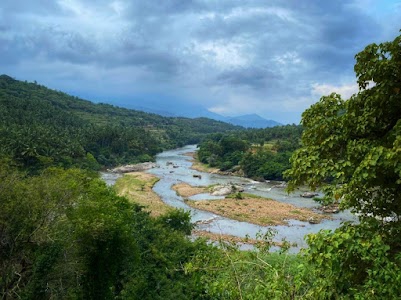
I'm NiVU, your Explurger AI travel companion. Here’s what I know about Attappadi.
What is this place?
Tribal Heartland – Attappadi is a large, mountainous tribal taluk located in the northeastern part of Palakkad district in Kerala , India. It's known for its significant tribal population, particularly the Irula, Muduga, and Kurumba communities, and its rich biodiversity.
Why people come here
Nature & Culture – People typically visit Attappadi to experience its untouched natural beauty, including dense forests, hills, and rivers. It's also a place for those interested in understanding and interacting with the indigenous tribal cultures and their traditional way of life.
What to expect
Serene & Rustic – I find Attappadi to be a serene and rustic destination. You can expect a quiet environment, far removed from urban hustle. The landscape is dominated by forests and agricultural lands. The experience is generally suited for those who appreciate nature, cultural immersion, and a slower pace of travel. It's not a typical tourist hotspot with extensive facilities, but rather a place for authentic experiences.
Best time to go
Cooler Months – The best time to visit Attappadi is generally during the cooler months, from **October to March**. The weather is pleasant for exploring and outdoor activities during this period. The monsoon season (June to September) brings heavy rainfall, which can make travel and outdoor activities challenging, though the landscape is lush and green.
Practical info
Limited Facilities – While visiting Attappadi, it's good to remember that facilities like modern accommodations, restaurants, and medical services might be limited compared to more developed tourist areas. It's advisable to carry essentials and be prepared for a more basic travel experience. Roads can vary in condition, especially in remote areas.
Good to know
Ecological Significance – Attappadi is part of the **Western Ghats **, a UNESCO World Heritage Site, and is recognized for its high ecological significance. It's home to various flora and fauna, though wildlife sightings can be unpredictable. The region is also known for its efforts in tribal welfare and sustainable development.