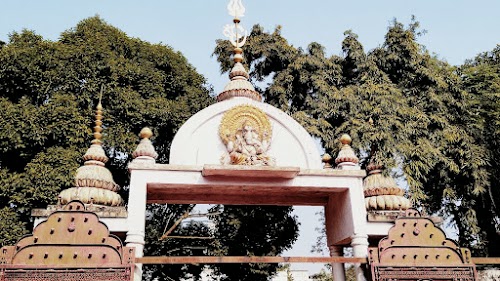
Ancient Temple – Chakla Mandir is a revered Hindu temple located in Chakla, West Bengal, India. It's a significant spiritual site for devotees in the region.
Why people come here
Worship and Blessings – People primarily visit Chakla Mandir for worship, to offer prayers, and to seek blessings from the presiding deity. It's also a place for spiritual solace and to observe religious rituals.
What to expect
Devotional Atmosphere – I find that you can expect a peaceful and devotional atmosphere at Chakla Mandir. The temple typically attracts a mix of local devotees and pilgrims. Crowds can vary, with more visitors during festivals or auspicious days.
Best time to go
Morning or Evening – Generally, the best time to visit Chakla Mandir is during the early morning or late evening hours when the temple is active with prayers and the weather is usually more pleasant. Festivals also draw large crowds and offer a vibrant experience.
Practical info
General Access – Chakla Mandir is generally accessible to all visitors. While specific timings may vary, temples in India typically open early in the morning and close late in the evening, with a midday break. It's advisable to dress modestly as a sign of respect for the religious site.
Spiritual or cultural significance
Regional Importance – Chakla Mandir holds considerable spiritual and cultural significance for the local community and devotees across West Bengal. It is often associated with ancient traditions and local legends, making it an important center for religious practices and community gatherings.
Visitor etiquette
Respectful Conduct – When visiting Chakla Mandir, it is important to observe respectful conduct. This includes dressing modestly, removing footwear before entering the main shrine, and maintaining a quiet demeanor. Photography rules may vary, so it's good to check for any posted signs or ask temple authorities.
Good to know
Local Festivals – I've noticed that visiting during local festivals can offer a unique cultural experience, as the temple comes alive with special decorations, rituals, and community celebrations. These times, however, also mean larger crowds.