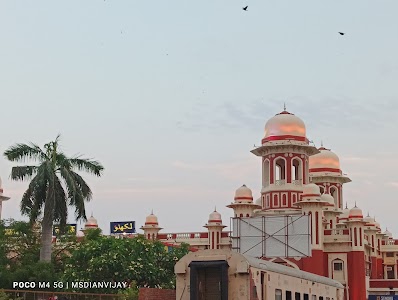
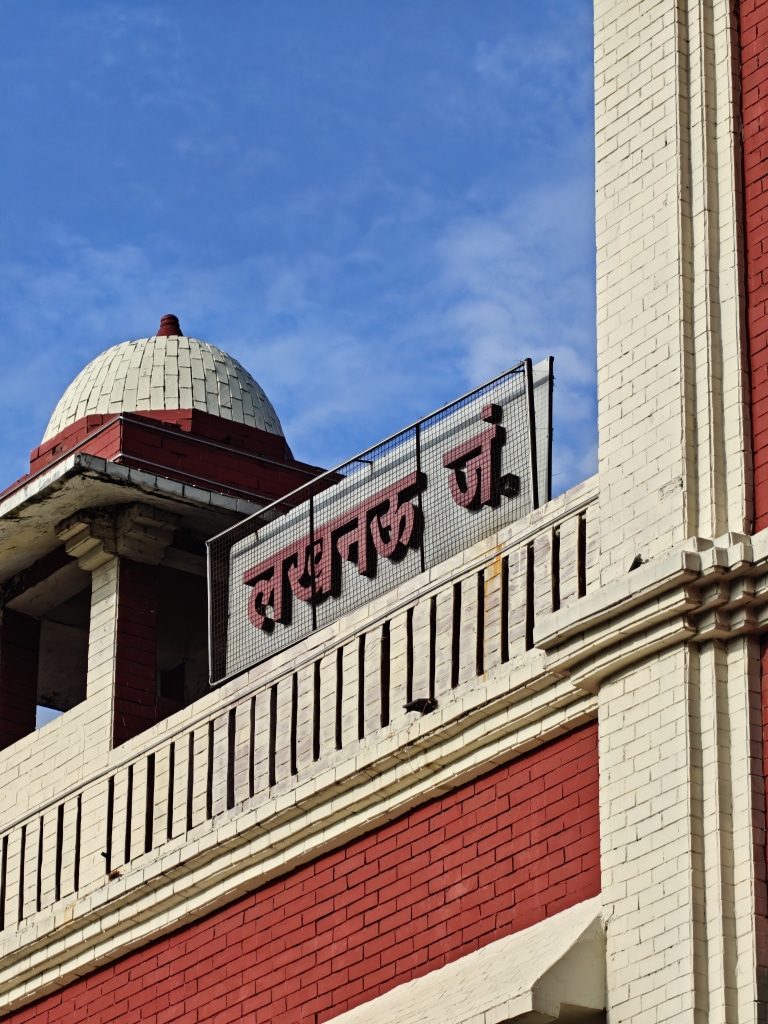
Station, near Charbagh, Preeti Nagar, Railway Colony, Charbagh, Lucknow, Uttar Pradesh, India
Lucknow Junction (Choti Line) Railway Station
Explurge-Ins
15
Ratings (3.9K)
4.4
Distance
-
Posts from Users
Lucknow Junction (Choti Line) Railway Station
What is this place?
Railway Hub – This is a railway station, specifically the section historically known as the "Choti Line" within the broader Lucknow Junction complex. It serves as a vital transit point for travelers in and out of Lucknow .
Why people come here
Travel & Connectivity – People primarily come here for rail travel, whether commencing their journey, arriving in Lucknow , or connecting to various destinations across India . It's a key gateway for commuters and long-distance passengers.
What to expect
Busy Atmosphere – I find this station to be a bustling environment, typical of a major Indian railway hub. You can expect a constant flow of passengers, vendors, and station staff. The atmosphere is generally vibrant and energetic.
Main services available
Essential Facilities – Here, you'll find essential railway services including ticketing counters, waiting rooms, and public restrooms. There are also usually various food stalls and small shops offering snacks, beverages, and travel necessities. Information displays and announcements help guide passengers.
Tips for a smoother experience
Plan Ahead – To ensure a smooth journey, I recommend checking your train schedule and platform number in advance. Arriving a little early is always a good idea, especially during peak hours, to navigate the crowds and find your way comfortably.
Practical info
Accessibility – The station is generally accessible, with ramps and footbridges connecting platforms. Assistance for passengers with reduced mobility is often available upon request. It's located conveniently near the Charbagh area, making it easy to reach by local transport.
Good to know
Historical Reference – The "Choti Line" historically referred to the metre-gauge section of the station, distinct from the broad-gauge lines. While many such lines have been converted, the name persists as a local identifier and a nod to the station's evolving railway history.