
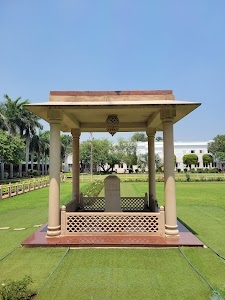



Gandhi Smriti, Near Birla House, 5, Tees January Marg, New Delhi
What is this place?
Memorial & Museum – This is Gandhi Smriti, the solemn site where Mahatma Gandhi spent his last 144 days and was assassinated on January 30, 1948. It now serves as a museum and memorial dedicated to his life and teachings.Purpose and Significance
Homage to Gandhi – Here, I find a profound space for reflection and remembrance of Mahatma Gandhi, the Father of the Nation. It stands as a powerful symbol of peace, non-violence, and the ultimate sacrifice for a nation's freedom. People visit to pay their respects and connect with his legacy.Historical Background
Birla House Connection – Originally known as Birla House , this estate was the residence of the industrialist Ghanshyam Das Birla. Mahatma Gandhi lived here from September 1947 until his assassination. The house was later acquired by the Government of India in 1971 and opened to the public as Gandhi Smriti in 1973.Key Highlights
Gandhi's Journey – As I walk through, I can see the room where Gandhi lived, preserved as it was during his time. The main attraction is the exact spot on the grounds where he was shot, marked by a Martyr's Column. There's also a 'Peace Path' leading to this spot, tracing his final footsteps. The museum showcases photographs, sculptures, paintings, and personal belongings, vividly narrating his life and the freedom struggle.What to Expect
Quiet Reflection – Expect a calm and contemplative atmosphere. This is a place for quiet reflection rather than lively interaction. The exhibits are designed to educate and inspire, offering deep insights into Gandhi's philosophy of truth and non-violence. It's generally suitable for all ages, though younger visitors might need guidance.Visitor Conduct and Etiquette
Respectful Demeanor – As a sensitive memorial site, visitors are expected to maintain a respectful and quiet demeanor. Photography is generally permitted in most areas, but it's always good to be mindful of signs or staff instructions. Dress modestly out of respect for the site's significance.Practical Info
Visit Details – The site typically requires about 1 to 2 hours to explore thoroughly. It's often less crowded on weekdays, offering a more serene experience. The best time to visit is during the cooler months, from October to March. The museum is generally accessible, though specific facilities should be checked if needed.