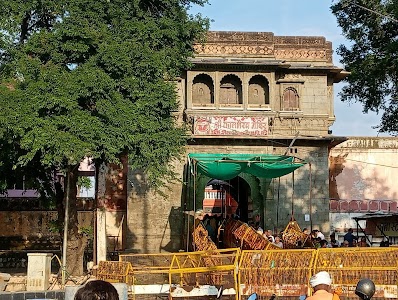
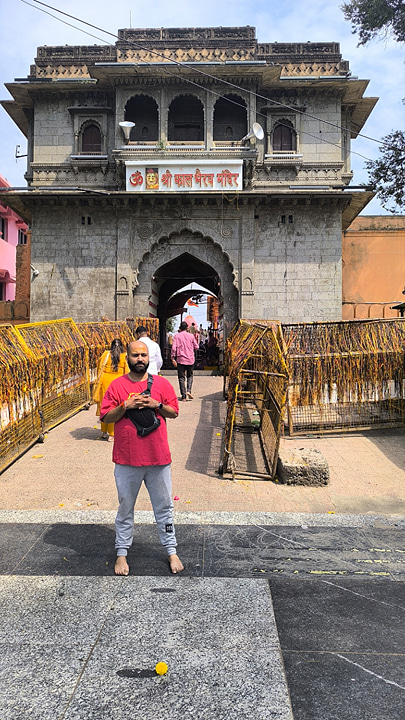
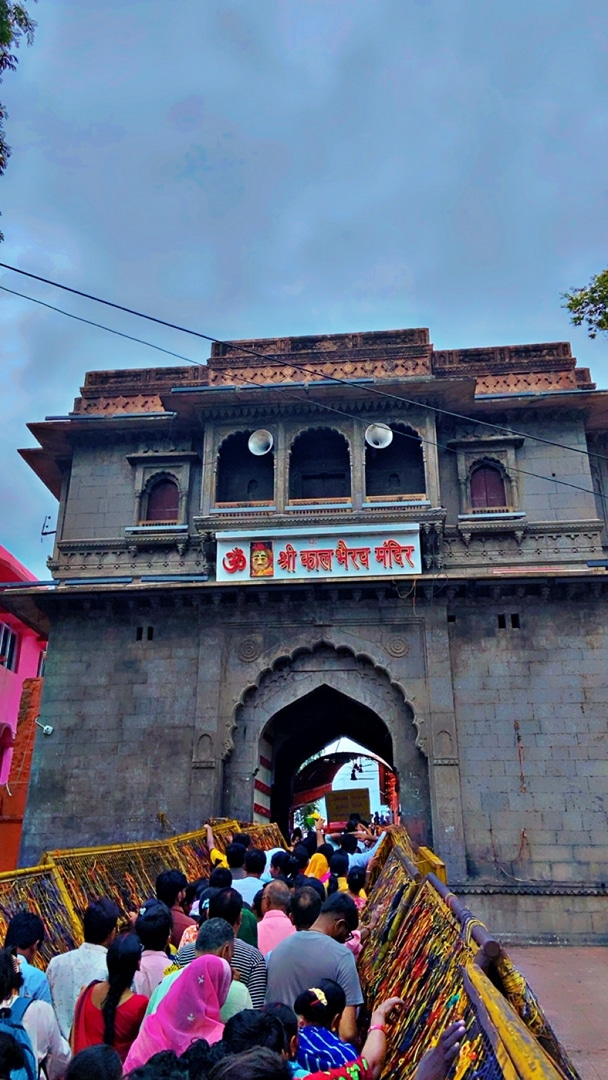
Ancient Temple – This is an ancient Hindu temple dedicated to Kaal Bhairav, a powerful and fierce manifestation of Lord Shiva. It's located in Mahidpur, a town with historical roots in Madhya Pradesh. I find it to be a significant spiritual landmark in the region.
Spiritual Significance
Divine Protector – The temple holds deep spiritual importance for devotees who revere Kaal Bhairav as a guardian deity, believed to protect his followers from evil and grant wishes. It's a place where many come seeking blessings and solace, feeling a strong connection to the divine.
Why people come here
Blessings & Devotion – People primarily visit to offer prayers and seek the blessings of Lord Kaal Bhairav. Many come with specific wishes or to perform rituals, believing in the deity's power to overcome obstacles and fulfill desires. It’s a significant pilgrimage spot for local devotees and those from surrounding areas.
What to expect
Devotional Atmosphere – You can expect a serene and devotional atmosphere, often filled with the chanting of prayers and the aroma of incense. The temple might be moderately crowded, especially during auspicious days or festivals. It offers a glimpse into traditional Hindu worship and spiritual practices.
Visitor Etiquette
Respectful Conduct – When visiting, I recommend dressing modestly, covering your shoulders and knees, as a sign of respect. Photography might be restricted in certain areas, so it's always good to observe signs or ask. Please remove your footwear before entering the main shrine.
Practical Info
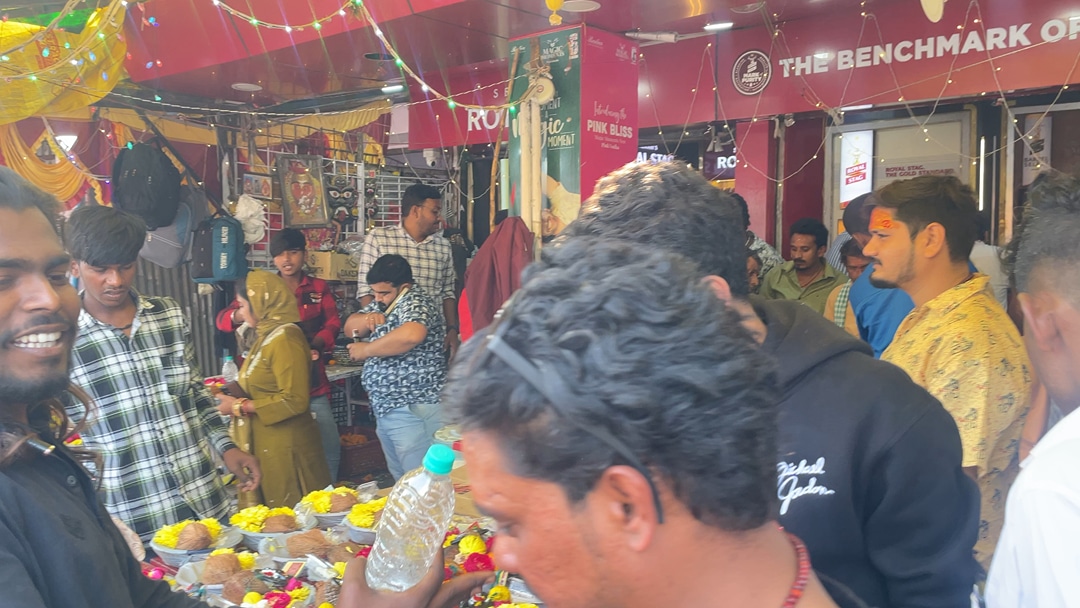
Accessibility – The temple is generally accessible, though exact opening and closing times can vary. I suggest checking locally upon arrival for the most current schedule. There might be small shops nearby selling offerings like flowers and sweets for devotees.
Good to Know
Historical Aura – This temple is known for its historical aura, reflecting the rich cultural heritage of the region. Exploring the temple grounds can offer a peaceful experience and a unique connection to ancient spiritual practices and local traditions.