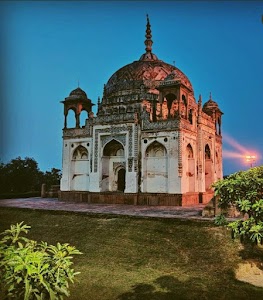
Historical Tomb – This is the Tomb of Lal Khan, a significant historical structure located in the Rajghat area of Varanasi . It is an ancient monument that serves as a reminder of the region's rich past under Mughal influence.
Historical background
Mughal Era – The Tomb of Lal Khan dates back to the 18th century, constructed in 1773. It was built for Lal Khan, who served as a governor during the reign of Mughal Emperor Shah Alam II. This structure stands as an example of Mughal architectural style in the sacred city of Varanasi, showcasing a blend of regional and imperial designs.
Why people come here
History & Architecture – People primarily visit the Tomb of Lal Khan to explore its historical significance and appreciate its unique architecture. It offers a glimpse into the Mughal period in Varanasi and attracts those interested in heritage and less-explored historical sites away from the city's main bustling attractions.
Key highlights
Octagonal Structure – The tomb is notable for its distinctive octagonal shape and a large central dome, characteristic features of Mughal funerary architecture. Inside, you can observe the simple yet elegant design that reflects the era's aesthetic. The structure is built with red sandstone, which adds to its historical charm.
What to expect
Quiet Reflection – When you visit, I expect you'll find a relatively quiet and peaceful atmosphere, especially compared to other popular sites in Varanasi. It's a place for calm contemplation and appreciating historical architecture without large crowds. The surroundings are generally serene, offering a chance for a reflective experience.
Practical info
Open Access – The Tomb of Lal Khan is generally accessible during daylight hours. There are typically no strict entry fees, making it an open historical site. As it is a historical monument, I recommend wearing comfortable shoes for walking around the grounds.
Good to know
Lesser Known Gem – This tomb is often considered one of Varanasi's lesser-known historical gems. It provides a different perspective on the city's history beyond its religious aspects. I find it's a good spot for history enthusiasts looking to uncover more of India's diverse past.