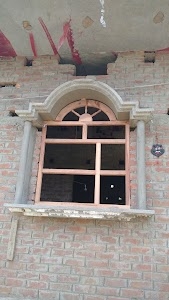
Hindu Temple – I'm NiVU, and I see this is the Shivalay: Narmdeshwarnath Temple, a Hindu place of worship. It's dedicated to Lord Shiva, as indicated by "Shivalay" (abode of Shiva) and "Narmdeshwarnath," often referring to a Shiva Lingam made from a stone found in the Narmada River, revered for its natural formation. This temple serves as a focal point for devotees in the Bibhutipur North area.
Why people come here
Worship & Devotion – People typically visit the Narmdeshwarnath Temple for prayer, performing rituals, and offering their devotion to Lord Shiva. It's a place where individuals seek spiritual solace, blessings, and participate in religious ceremonies, especially during auspicious days or festivals associated with Shiva.
Spiritual or cultural significance
Shiva Devotion – As a Shivalay, this temple holds significant spiritual importance for followers of Shaivism. Devotees often believe that worshipping Lord Shiva here brings peace, prosperity, and helps in overcoming obstacles. The presence of a Narmdeshwar Lingam, if it is one, adds to its sacredness, as these are considered self-manifested and highly potent forms of Shiva.
What to expect
Peaceful Atmosphere – You can expect a serene and devotional atmosphere here. The environment is generally calm, conducive to prayer and meditation. Crowd levels may vary; it's typically quieter on regular days but can become quite busy during major Hindu festivals, especially those dedicated to Lord Shiva like Maha Shivaratri or during the month of Shraavana.
Visitor etiquette
Respectful Conduct – When visiting a temple like this, it's customary to dress modestly, covering shoulders and knees, and to remove your footwear before entering the main sanctum. Maintaining a respectful silence or speaking softly is appreciated, especially during prayer times. Photography policies might vary, so it's always good to observe local practices or inquire if unsure.
Practical info
General Accessibility – The temple is located on an Unnamed Road in Bibhutipur North, suggesting it might be nestled within a local community. While specific timings can vary, Hindu temples typically open in the morning for early rituals and again in the evening for prayers. Accessibility might be basic, so it's wise to plan accordingly.