
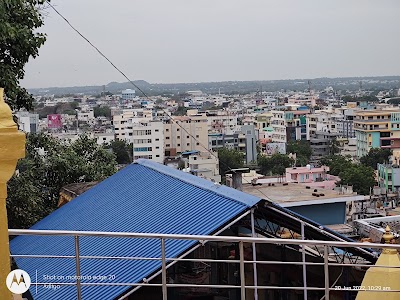



Khammam, Telangana, India
What is this place?
District Headquarters – Khammam is a significant city located in the Indian state of Telangana, serving as the administrative headquarters of the Khammam district. It sits on the banks of the Munneru River, a tributary of the Krishna River, and holds a strategic position connecting various parts of the region.Why people come here
History & Nature – Visitors are typically drawn to Khammam for its rich historical legacy, primarily centered around the ancient Khammam Fort. The city also acts as a gateway to several natural attractions and wildlife sanctuaries in its vicinity, offering a blend of cultural exploration and natural beauty.What to expect
Heritage & Local Life – Here, you can expect a city that harmoniously blends its historical past with contemporary life. The atmosphere is generally calm, offering insights into local Telugu culture, traditional markets, and a glimpse into the region's heritage through its architectural landmarks.Historical Significance
Ancient Fort – The most prominent historical landmark is the Khammam Fort , an ancient structure believed to have been built around 950 AD. This fort showcases a blend of Kakatiya and Bahmani architectural styles, standing as a testament to various dynasties that ruled the region. Its strategic location offers panoramic views of the city.Natural Surroundings
Wildlife & Waterbodies – The region around Khammam is home to diverse natural landscapes. Nearby attractions include the Kinnerasani Wildlife Sanctuary , known for its dense forests and the Kinnerasani Dam, which creates a picturesque lake. These spots offer opportunities for nature enthusiasts to explore local flora and fauna.Best time to go
Winter Months – The most pleasant time to visit Khammam is generally during the cooler, drier months from October to March. During this period, the weather is comfortable for exploring historical sites and enjoying outdoor activities without the intense heat or monsoon rains.Good to know
Cultural Hub – Khammam serves as a significant agricultural and commercial center for its district. The local cuisine reflects typical Telugu flavors, with spicy and aromatic dishes often featuring rice as a staple. The city also hosts various local festivals, providing a vibrant cultural experience.