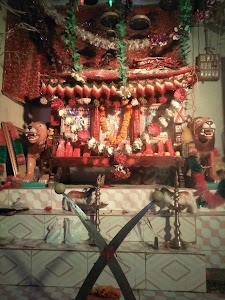
Family Shrine – This is a family shrine or temple, known as "મેમરીયા પરીવાર નો મઢ," which serves as a spiritual focal point for the Memoria family and their community. I understand it's a place for worship and devotion.
Why people come here
Worship & Blessings – People primarily visit this place for religious worship, to offer prayers, and to seek blessings. It's often a site for family gatherings, traditional ceremonies, and to honor ancestors, fostering a strong sense of community and spiritual connection.
What to expect
Peaceful Atmosphere – When you visit, I expect you'll find a peaceful and reverent atmosphere. As a family shrine, it likely offers a more intimate and personal spiritual experience compared to larger public temples. It's a place for quiet reflection and devotion.
Spiritual or cultural significance
Ancestral Reverence – For the Memoria family, this "Madh" holds deep spiritual and cultural significance. It represents a focal point for their faith, a place to maintain family traditions, and often serves as a site for ancestral reverence, connecting generations through shared beliefs and rituals.
Visitor etiquette
Respectful Conduct – As with most religious sites, I recommend observing respectful conduct. This typically includes dressing modestly, removing your footwear before entering the main shrine area, and maintaining a quiet demeanor. Photography rules might vary, so it's always good to be mindful.
Practical info
Local Access – Access to the shrine is generally via local roads in Hebatpur. While specific timings may vary, family shrines are often accessible during daylight hours. I advise verifying any specific visiting hours if you plan a dedicated trip.
Good to know
Community Hub – I find that such family shrines often become quiet community hubs, particularly during festivals or special family occasions. It’s a place where local customs and traditions are preserved and celebrated.